Best Baby Gas Relief Products: Drops, Gripe Water & Anti-Colic Bottles R
Medically reviewed by Dr. Ahmad Raza, MD (Pediatrics) — ChildBloom Medical Review Panel. Last updated: August 4, 2026.
Editorial & affiliate disclosure: our guidance is written and reviewed by clinicians. ChildBloom may earn a commission from qualifying purchases made through links on this page, which never changes what our pediatric reviewers recommend.
Looking for clear answers about baby gas relief products? This pediatrician-reviewed guide covers what matters, what to skip, the safety checks that count, and exactly when to involve your doctor — based on current AAP, CDC and CPSC guidance on baby gas relief products.
Quick pediatrician summary: baby gas relief products
Short answer: A pediatrician explains baby gas relief products: what is normal, the real risks, red flags to watch for and exactly when to call your doctor.
A pediatrician reviews the best baby gas relief products — simethicone drops, gripe water, and anti-colic bottles. Compared by active ingredient, evidence base, safety profile, and real-world parent effectiveness.
As a pediatrician, I understand how concerning these moments can be for parents. My goal is to provide you with evidence-based guidance that helps you make informed decisions for your child, while also knowing exactly when to seek medical attention. This guide draws on current AAP recommendations and clinical experience to give you the clarity you need.
Understanding Baby Gas: Why Products May or May Not Work
Looking for the best options? Check out Why Does My Baby Cry Every Evening? Understanding PURPLE Crying & Colic.
Baby gas forms when: (1) swallowed air accumulates in the digestive tract, (2) immature gut bacteria ferment undigested milk components, or (3) gut motility is slow, trapping gas bubbles. Different products intervene at different points in this process.
Category 1: Simethicone Drops
How they work: Simethicone reduces the surface tension of gas bubbles in the gut, causing small bubbles to merge into larger ones that are easier to pass (burp or fart). It is not absorbed into the bloodstream — it works entirely within the digestive tract and is then eliminated. This makes it very safe.
BEST OVERALL: Little Remedies Gas Relief Drops — Concentrated simethicone formula. Fast-acting. The dropper provides accurate dosing for newborns.
MOST RECOMMENDED: Mylicon Gas Relief Drops — The #1 pediatrician-recommended simethicone brand. Trusted for decades. Same active mechanism as Little Remedies.
Category 2: Gripe Water
How it works: Gripe water is a traditional remedy containing herbs like ginger, fennel, and chamomile. The evidence base is limited — most studies are small or inconclusive. However, the ingredients are generally safe and many parents report subjective improvement.
BEST ORGANIC: Wellements Organic Gripe Water — Short ingredient list. Organic ginger and fennel. No artificial sweeteners or preservatives.
BEST ORIGINAL: Woodward’s Gripe Water — The original formula since 1851. Simple, affordable, widely available. Contains sodium bicarbonate plus traditional herbs.
Category 3: Anti-Colic Bottles
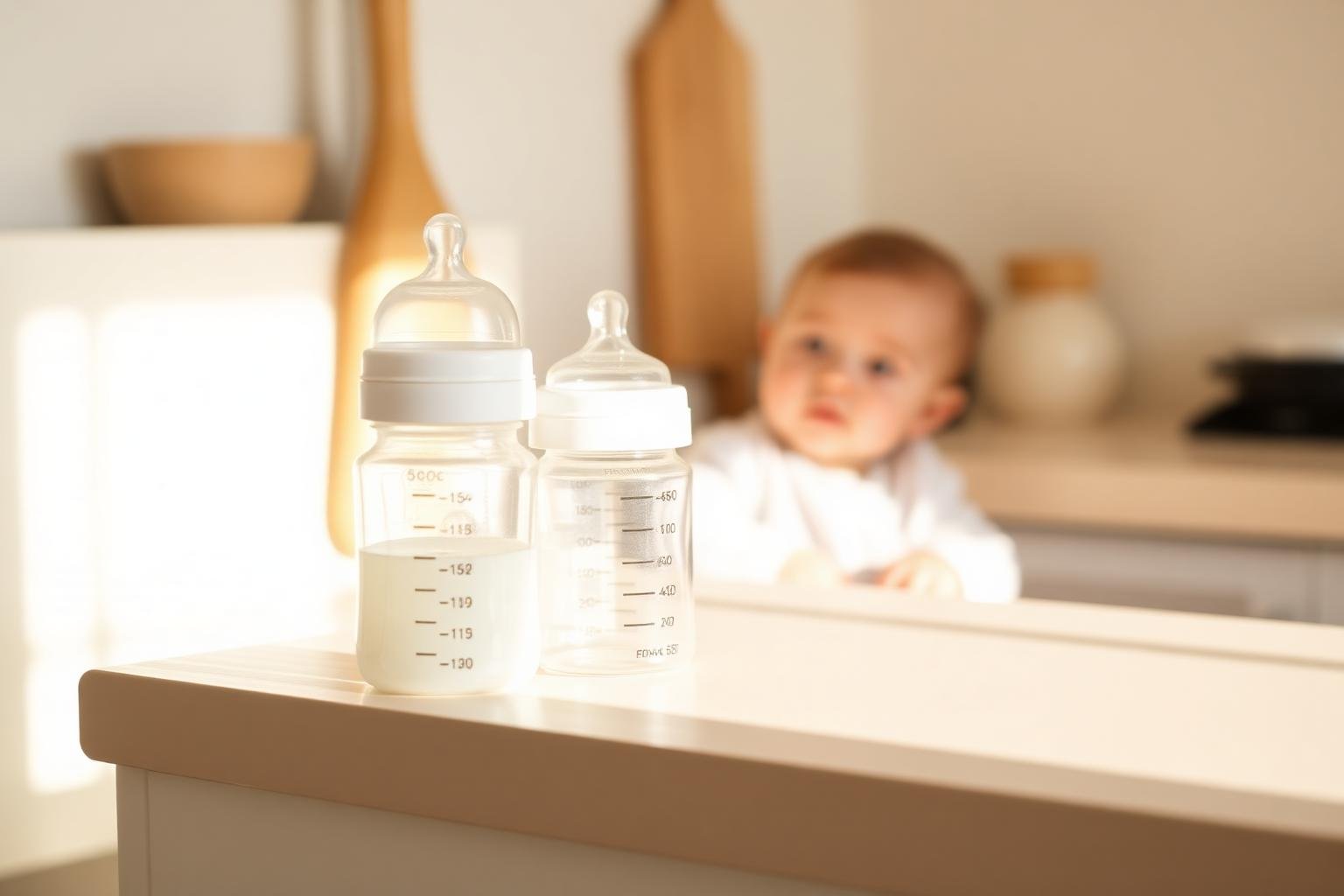
How they work: These bottles use vented systems to reduce the amount of air the baby swallows during feeding. This is prevention rather than treatment — reducing gas before it forms. From a pediatrician’s perspective, this is the most evidence-based approach.
BEST OVERALL: Dr. Brown’s Anti-Colic Bottles — The internal vent system is the most thoroughly engineered on the market. Multiple studies show reduced colic symptoms with vented bottles. The green level indicator helps monitor feeding volume.
Evidence Rating Summary
- Anti-colic bottles: Strong evidence — prevention is better than treatment
- Simethicone drops: Moderate evidence — safe, works mechanically, but not all babies respond
- Gripe water: Limited evidence — traditional use, some parent reports, few rigorous studies
Recommended Products
1. Mommys Bliss Gas Drops — Check Price on Amazon →
2. Little Remedies Gas Relief Drops — Check Price on Amazon →
3. Wellements Probiotic Gas Drops — Check Price on Amazon →
4. Zarbees Baby Gripe Water — Check Price on Amazon →
5. Woodward Gripe Water Baby — Check Price on Amazon →
Related Pediatrician-Reviewed Resources
This article is part of ChildBloom’s pediatrician-reviewed Digestive Health series. Continue reading:
- Top 5 Gentle Formulas for Sensitive Tummies: Pediatrician-Reviewed for Gas, Reflux & Constipation
- Best Baby Probiotics for Digestion & Colic Relief: Strain-by-Strain Pediatrician Review
- Baby Diarrhea: Dehydration Signs, Home Management & When to Go to the ER
- Breastfed vs. Formula-Fed Baby Poop: What’s Normal for Each & Why They’re So Different
Trusted Authority Sources
Frequently Asked Questions
Q: How much should my baby be eating?
A: For formula-fed babies, a general rule is 2.5 ounces per pound of body weight per day (so a 12-pound baby needs about 30 ounces daily). Breastfed babies typically feed 8-12 times per day in the newborn period, decreasing to 6-8 times by 3-6 months. The best indicators of adequate intake are steady weight gain, 6+ wet diapers daily, and contentment between feeds.
Q: When should I start solid foods?
A: The AAP recommends exclusive milk feeding (breast milk or formula) for the first 6 months, with introduction of complementary foods around 6 months. Signs of readiness include: ability to sit upright with minimal support, loss of the tongue-thrust reflex, showing interest in food, and ability to move food from front to back of the mouth.
Q: What are the best first foods for babies?
A: Iron-rich foods should be among the first: iron-fortified infant cereal, pureed meats (beef, lamb, dark meat chicken), pureed legumes, and pureed tofu. Pair these with vitamin C sources (sweet potato, broccoli, strawberries) to enhance iron absorption. Introduce one new food every 3-5 days to monitor for reactions.
Related: Best Baby Bottles For Colic And Gas Relief
📖 More from the Health & Safety Hub: your A-Z pediatrician guide to baby health, common illnesses, fevers, rashes, allergies, safety
Choosing Between Gas Drops and Gripe Water
Gas drops (simethicone) work by breaking up gas bubbles in the stomach, making them easier to pass. Gripe water is a herbal supplement containing ingredients like ginger, fennel, and chamomile. Gas drops have more research backing their safety and effectiveness, while gripe water formulations vary between brands. Always check with your pediatrician before starting any gas relief product, and never use both simultaneously without medical guidance.
When to Call Your Pediatrician
While most fevers in children are harmless and resolve on their own, you should contact your pediatrician if:
- Your infant is under 3 months old with a rectal temperature of 100.4°F (38°C) or higher
- Fever persists beyond 3 days
- Your child is unusually irritable, confused, or difficult to wake
- There are signs of dehydration (dry mouth, no tears, fewer wet diapers than usual)
- The fever is accompanied by a stiff neck, severe headache, or rash
- Your child has a seizure (febrile seizure)
- You simply feel something is wrong — trust your instincts
When in doubt, call your pediatrician. It is always better to err on the side of caution.
Safety Considerations and Red Flags
Parents should be aware of the following safety considerations when managing their child’s health at home:
- Never ignore persistent or worsening symptoms
- Keep emergency numbers (pediatrician, poison control, emergency services) readily accessible
- Follow medication dosing instructions precisely — never estimate or use household spoons
- Trust your gut: if you feel something is seriously wrong, seek medical attention immediately
Managing Baby Gas and Discomfort
Gas is a normal part of infant digestion, but it can cause significant discomfort for some babies. Understanding why gas builds up and how to help your baby pass it can reduce crying and improve sleep for everyone.
Causes of Infant Gas
Babies swallow air during feeding, especially if they are crying while hungry, have a poor latch, or feed too quickly. The immature digestive system also produces gas as it processes milk. Formula-fed babies may experience more gas with certain formula types, and breastfed babies may react to gas-producing foods in the maternal diet (though this is less common than many believe).
Gas Relief Strategies
Burp your baby frequently during and after feeds — every 1-2 ounces for bottle-fed babies or at breast changes for breastfed babies. Bicycle kicks (gently moving your baby’s legs in a cycling motion) can help move gas through the intestines. Tummy time provides gentle abdominal pressure that encourages gas release. Anti-colic bottles with venting systems can reduce air intake. Gas drops (simethicone) and gripe water may provide relief for some babies, though evidence for effectiveness is mixed.
When Gas Indicates Something More
Distinguishing Gas from Other Issues
While gas discomfort is common, certain signs suggest a condition that needs medical attention. Projectile vomiting, green or bloody mucus in the stool, persistent inconsolable crying despite gas relief efforts, poor weight gain, or arched-back crying after every feed could indicate reflux, a milk protein allergy, or another digestive issue. Keep a symptom diary tracking feeds, crying episodes, stools, and what provides relief — this information is invaluable for your pediatrician.
Formula Adjustments for Gas
If your formula-fed baby seems consistently gassy, consider whether the formula type may be contributing. Some babies tolerate cow’s milk-based formula well, while others do better with a partially hydrolyzed formula (like Gentlease or Sensitive). If you suspect a milk protein allergy, your pediatrician may recommend a fully hydrolyzed (extensively hydrolyzed) formula or an amino acid-based formula. Always transition formulas gradually over 3-5 days, mixing increasing amounts of the new formula with decreasing amounts of the old.
Preventing Gas Before It Starts
Feeding Positions That Minimize Air
The position you hold your baby during feeding significantly affects how much air they swallow. For bottle feeding, hold your baby at a 45-degree angle (not lying flat). Tilt the bottle so the nipple is always filled with milk, not air. For breastfeeding, a deep latch minimizes air intake — your baby’s mouth should cover the nipple and most of the areola. Burp in multiple positions: over your shoulder, sitting on your lap with chin supported, and lying across your lap.
Post-Feeding Strategies
After feeding, keep your baby upright for 20-30 minutes — this allows gravity to help keep milk down and air bubbles to rise. Gentle movement, like walking or rocking, can help move gas through the digestive tract. Bicycle kicks and gentle tummy massage (clockwise circles around the belly button) can provide relief. If your baby is formula-fed, consider whether the formula preparation method is introducing air bubbles — let formula settle after shaking, or use a formula pitcher to mix in advance.
The Bottom Line
Best Baby Gas Relief Products is a common concern for parents, and most of the time it resolves with simple home care and patience. As a pediatrician, I encourage parents to trust their instincts, stay informed with evidence-based resources, and maintain open communication with their healthcare provider. You know your child best — if something does not feel right, speak up. Every question you ask is valid, and every concern you raise helps us provide better care for your little one.
Frequently asked questions about baby gas relief products
Is baby gas relief products normal in babies?
Mild, short-lived episodes are common and usually settle with simple home care. It is not normal if your baby is feeding poorly, unusually sleepy, breathing fast, has a fever under 3 months of age, or the problem is getting worse instead of better.
When should I call the doctor about baby gas relief products?
Call the same day for fever in a baby under 3 months, breathing difficulty, repeated vomiting, dehydration signs such as very few wet diapers, unusual floppiness or a rash that does not fade with pressure. Trust your instinct — if something feels wrong, get your baby seen.
What can I safely do at home for baby gas relief products?
Focus on comfort, hydration, feeding and rest, and use only medicines and doses your pediatrician has approved for your baby’s age and weight. Avoid honey under 12 months, avoid over-the-counter cough and cold products under 6 years, and never give aspirin.
Common mistakes parents make with baby gas relief products
- Assuming a higher price means a safer or better-performing option — certification and correct fit matter far more.
- Skipping the instruction manual, weight limits and product registration, which is how recall notices reach you.
- Changing several things at once, so you cannot tell what actually helped your baby.
- Relying on advice from social media instead of your pediatrician when something feels off.
Related pediatrician-reviewed reading
- Baby Gas Pain Relief at Night
- The Pediatrician’s Guide to Non-Toxic Baby Products
- Baby vitamin d drops necessary
- Teething relief
- baby health & safety hub
References & further reading
Medical disclaimer: this article is for general education and does not replace individual medical advice. Always follow your own pediatrician’s guidance for your child.