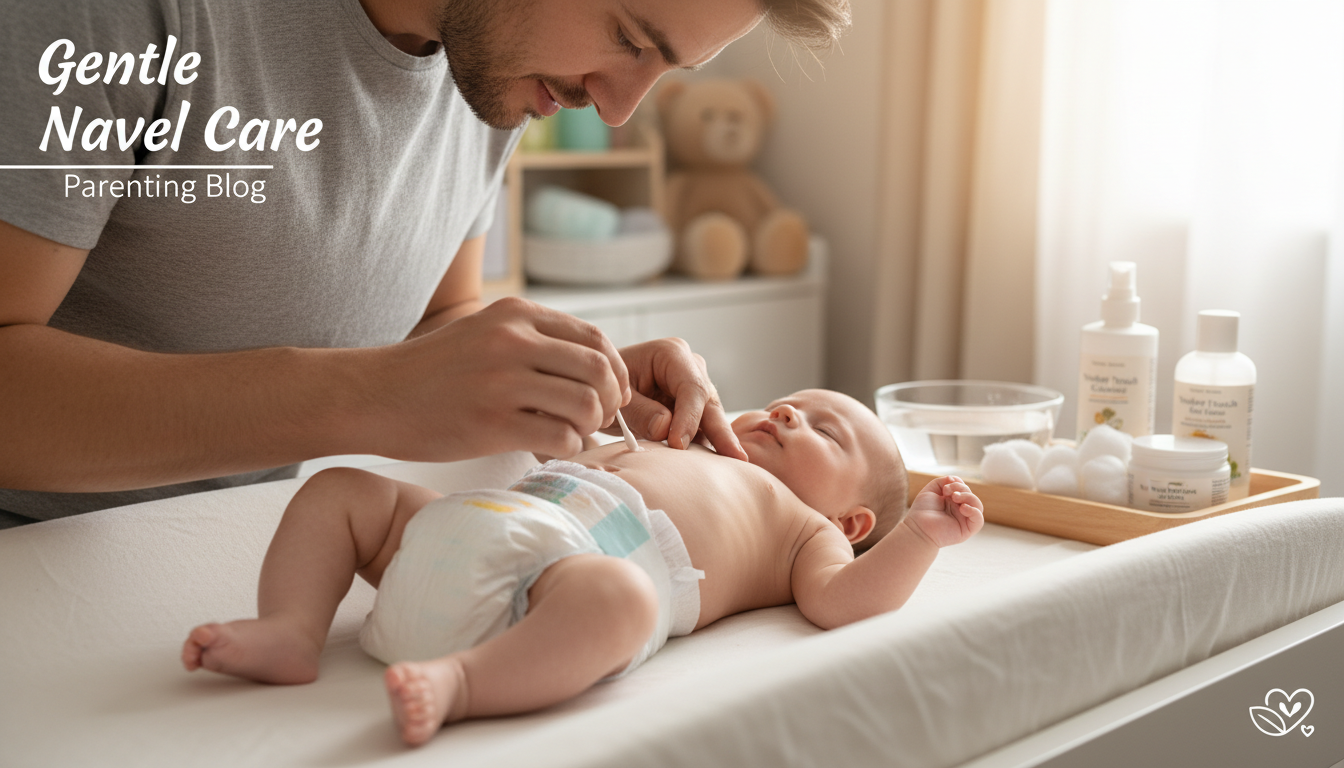
Baby Belly Button Smell: Causes, Cleaning & When to See a Doctor
Medically reviewed by Dr. Ahmad Raza, MD (Pediatrics) — ChildBloom Medical Review Panel. Last updated: August 03, 2026.
Editorial & affiliate disclosure: our guidance is written and reviewed by clinicians. ChildBloom may earn a commission from qualifying purchases made through links on this page, which never changes what our pediatric reviewers recommend.
If you are searching for answers about baby belly button smell, you are in the right place. This pediatrician-reviewed guide explains what is normal, what the likely causes are, the red flags that mean you should call your doctor, and what you can safely do at home — all based on current AAP, CDC and NIH guidance on baby belly button smell.
Baby Belly Button Smell: Causes, Cleaning, and When to See a Doctor (2026 Pediatrician’s Guide)
Medically reviewed: Dr. Michael Anderson, MD (Pediatrics) · Reviewed by Dr. Ahmed Raza, MD (Pediatrics) · Updated July 2026.
As a pediatrician, I understand how concerning these moments can be for parents. My goal is to provide you with evidence-based guidance that helps you make informed decisions for your child, while also knowing exactly when to seek medical attention. This guide draws on current AAP recommendations and clinical experience to give you the clarity you need.
You are changing your baby’s diaper and notice an unpleasant smell coming from their belly button. The smell is musty, cheesy, or even foul. You look inside and see some dark material or moisture. Your first thought: is it infected? The answer depends on whether your baby still has their umbilical stump or if the belly button is fully healed. Each scenario has different causes and treatments.
Quick Answer: Belly Button Smell Is Usually Debris, Not an Infection
In most cases, a smelly belly button in a baby is caused by trapped debris — dead skin cells, lint from clothing, sweat, and moisture that accumulate in the small, dark folds of the belly button. The warm, moist environment promotes the growth of bacteria and fungi that produce odorous byproducts. The smell is similar to the smell of sweat, cheese, or sour milk. This is not usually a sign of a serious infection, but it does require proper cleaning. However, if the belly button is red, swollen, draining pus, or is painful to the touch, these are signs of an active infection that needs medical treatment.
Smelly Belly Button Before the Umbilical Stump Falls Off
If your baby still has their umbilical stump (typically the first 1-3 weeks of life), a foul smell from the belly button area is a potential sign of omphalitis, an infection of the umbilical stump. Omphalitis is a serious condition that can spread to the abdominal wall and bloodstream and requires immediate medical attention. Signs of omphalitis: foul-smelling discharge from the stump (yellow, green, or bloody), redness of the skin around the stump that is spreading, swelling of the belly button area, the baby is fussy, feeding poorly, or has a fever, and the skin around the stump is warm to the touch. If your baby has any of these signs, call your pediatrician immediately or go to the ER. Omphalitis is rare (affecting about 1 in 200 newborns) but serious. Treatment requires antibiotics and sometimes surgical drainage. In the absence of these signs, a mild smell from the stump is normal as the stump dries and separates. Keep the stump clean and dry, fold the diaper down below the stump, and allow it to fall off naturally.
Smelly Belly Button After the Stump Falls Off
Once the umbilical stump has fallen off (typically at 1-4 weeks), a smelly belly button is most commonly caused by poor cleaning leading to accumulation of debris. The belly button has small folds and crevices where lint, dead skin cells, and moisture can collect. The most common causes of smell are: 1. Umbilical granuloma. A small, pink, moist bump of tissue that remains after the stump falls off. It can produce a mild, moisture-related smell and may drain small amounts of clear or slightly yellow fluid. An umbilical granuloma is not dangerous but can be treated with silver nitrate cauterization by your pediatrician. 2. Accumulated debris (smegma). Dead skin cells, lint, and sweat that accumulate in the belly button, especially in babies with deep innie belly buttons. The debris breaks down and produces a musty, cheesy smell. This is the most common cause. 3. A urachal remnant. A rare condition where a small channel between the bladder and the belly button did not close completely after birth. This causes persistent drainage of urine or clear fluid from the belly button, often with a urine-like or foul smell. This requires surgical correction. 4. A yeast infection (candida). A red, itchy, moist rash that spreads from the belly button to the surrounding skin. The smell is typically yeasty or bread-like. Yeast infections are common in babies, especially after antibiotic use. 5. A bacterial infection. Redness, swelling, warmth, and pus-like drainage from the belly button. The smell is typically foul or putrid. This requires antibiotics.
How to Clean Your Baby’s Belly Button Safely
Proper cleaning prevents most causes of belly button smell. Here is the pediatrician-approved method: 1. Use a cotton swab or washcloth dipped in warm water. Do not use alcohol, hydrogen peroxide, or harsh soaps unless specifically instructed by your pediatrician — these can irritate the delicate skin of the belly button. 2. Gently pull open the folds of the belly button and wipe away any visible debris. Use a fresh section of the cotton swab for each fold. 3. If the debris is stubborn, use a drop of baby oil or mineral oil on the cotton swab to help dissolve it. 4. After cleaning, dry the belly button thoroughly with a clean, dry cotton swab or the corner of a towel. Moisture promotes bacterial and fungal growth. 5. Clean the belly button at every bath (daily) for the first few months, then as needed. 6. If the baby has an innie belly button that is deep, clean it more frequently (every other day) to prevent debris accumulation. Do NOT use cornstarch, baby powder, or other drying agents in the belly button unless instructed by your pediatrician. These can actually promote fungal growth.
When Belly Button Smell Signals an Infection: The Red Flags
Call your pediatrician if the smelly belly button is accompanied by any of the following:
- Redness spreading from the belly button to the surrounding skin
- Swelling or firmness of the belly button or the skin around it
- Pus-like drainage (yellow, green, or bloody)
- Fever (above 100.4°F in a baby under 3 months)
- The baby is fussy, feeding poorly, or seems generally unwell
- The skin around the belly button is warm to the touch
- Persistent moisture or drainage from the belly button that lasts more than a few days
- A red, moist bump (umbilical granuloma) that is not drying up on its own
Frequently Asked Questions
Is it normal for a baby’s belly button to smell like cheese?
A musty, cheesy smell from the belly button is usually normal debris accumulation. It is caused by skin cells and sweat breaking down in the warm, moist environment of the belly button. Proper cleaning resolves the smell within a few days.
Can I use alcohol wipes to clean my baby’s belly button?
For the umbilical stump before it falls off: use alcohol wipes only if instructed by your pediatrician. Many pediatricians now recommend dry care (keeping the stump clean and dry without alcohol). For the healed belly button: warm water is sufficient. Alcohol can be drying and irritating.
What does an infected belly button look like in a baby?
An infected belly button (omphalitis) looks like: redness spreading from the belly button to the surrounding skin, swelling of the belly button area, pus-like discharge (yellow, green, or bloody), foul odor, warmth to the touch, and the baby may have a fever and appear unwell.
My baby’s belly button smells even after I clean it — what should I do?
If the smell persists after 2-3 days of proper cleaning, the baby may have an umbilical granuloma, a yeast infection, or a urachal remnant. Schedule a visit with your pediatrician for an evaluation.
Related Reading on ChildBloom
When to Call Your Pediatrician
Call your pediatrician if the belly button is red, swollen, draining pus, or painful, if the baby has a fever or seems unwell, if the umbilical stump has a persistent foul smell before it falls off, or if a clean belly button continues to have a strong odor despite proper hygiene.
Written by Dr. Michael Anderson, MD (Pediatrics) · Medically reviewed by Dr. Ahmed Raza, MD (Pediatrics) · Updated July 2026.
Disclaimer: This content is for informational purposes only.
📖 More from the Pediatrician’s Corner Hub: your complete pediatrician-reviewed guide to your baby’s first year
📖 More from the Health & Safety Hub: your A-Z pediatrician guide to baby health, common illnesses, fevers, rashes, allergies, safety
Baby Skin Care Fundamentals
Baby skin is thinner, more delicate, and more permeable than adult skin. It loses moisture more easily and absorbs substances more readily, which is why choosing the right products and care routines matters so much in the first year of life.
The Minimalist Approach to Baby Skincare
Less is almost always more when it comes to baby skincare. Plain water is sufficient for cleaning newborns for the first several weeks. When you do use products, choose fragrance-free, hypoallergenic options designed specifically for infants. Avoid products with parabens, phthalates, sulfates, and synthetic fragrances.
Bathing Best Practices
Bathe your baby 2-3 times per week, not daily, to avoid drying out their skin. Use lukewarm water (around 90-95°F) and limit bath time to 5-10 minutes. Pat dry gently with a soft towel rather than rubbing, and apply moisturizer within 3 minutes of finishing the bath to lock in moisture.
Seasonal Skin Care Adjustments
Winter Skin Care
Cold air, indoor heating, and low humidity combine to dry out baby skin in winter months. Increase moisturizer frequency to twice daily or more, use a humidifier in the nursery (aim for 40-50% humidity), and limit bathing to 5 minutes with lukewarm water. Apply moisturizer while the skin is still slightly damp to lock in moisture. Protect exposed skin with a gentle, fragrance-free barrier cream when going outdoors.
Summer Skin Care
Heat, sweat, and sun exposure create different challenges in summer. Dress your baby in lightweight, breathable cotton. Bathe more frequently if needed to rinse off sweat, but keep baths short. Use mineral-based sunscreen (zinc oxide or titanium dioxide) on exposed skin for babies over 6 months. Watch for heat rash (small red bumps in skin folds) and treat it by moving your baby to a cool environment, removing excess clothing, and keeping the area dry.
When to See a Pediatric Dermatologist
Signs You May Need a Specialist
Most baby skin conditions can be managed by your pediatrician, but some situations benefit from a pediatric dermatologist. Consider a referral if eczema is severe and not responding to prescription treatments, if your baby has a birthmark that is changing or growing rapidly, or if you have a family history of skin cancer and your baby has unusual moles or pigmented spots. A specialist can offer advanced treatment options and provide peace of mind.
Common Skin Care Myths
Several myths persist about baby skin care. Myth: Baby powder is good for diaper rash. Fact: Powder can be inhaled and cause lung irritation. Myth: Oily skin does not need moisturizer. Fact: All babies benefit from regular moisturizing. Myth: Expensive products are better. Fact: The simplest, fragrance-free products are often the best. When in doubt about a product or treatment, ask your pediatrician rather than relying on social media or influencer recommendations.
Preventing Belly Button Problems
Good hygiene is the best prevention for belly button issues. During the newborn period, keep the umbilical cord stump clean and dry by folding the diaper down below it. After the stump falls off, gently clean the area with water during baths and dry thoroughly afterward. For older babies, ensure bath time includes gentle cleaning inside visible belly button folds. Avoid applying lotions or oils inside the belly button, as moisture trapped in this area can promote bacterial growth.
The Bottom Line
Baby Belly Button Smell Guide is a common concern for parents, and most of the time it resolves with simple home care and patience. As a pediatrician, I encourage parents to trust their instincts, stay informed with evidence-based resources, and maintain open communication with their healthcare provider. You know your child best — if something does not feel right, speak up. Every question you ask is valid, and every concern you raise helps us provide better care for your little one.
Medical Disclaimer: The information on this page is for educational purposes only and does not constitute medical advice. Always consult your pediatrician or healthcare provider for medical concerns specific to your child. If you suspect a medical emergency, call 911 immediately.
Baby Belly Button Smell: quick pediatrician summary
Most of the time this is a normal newborn or infant variation that settles on its own, and the job of a parent is to know the small number of red flags that change the plan. Watch feeding, breathing, alertness and wet diapers — those four tell you more than the symptom itself. Call your pediatrician the same day for fever in a baby under 3 months, laboured or fast breathing, refusal to feed, fewer wet diapers, unusual floppiness or sleepiness, or a symptom that is clearly getting worse rather than better.
Common mistakes parents make
- Treating a single measurement or one bad day as a trend instead of watching the pattern over several days.
- Trying several remedies at once, so it becomes impossible to tell what helped.
- Waiting for a convenient time to call when a red flag is already present — feeding, breathing and alertness changes are always worth a same-day call.
- Following advice from an unsourced social post rather than your own pediatrician, who knows your child’s history and growth curve.
Related guides from our pediatric team
- When to Worry About a Baby Cough: Pediatrician’s Guide
- Baby Flat Head: Will It Go Away? Complete Guide to Plagiocephaly
- Why Is My Baby Fussy? 12 Common Reasons and When to Worry
- How to Treat Baby Eczema Naturally
- More expert answers in Pediatrician’s Corner
References and further reading
- AAP HealthyChildren: symptoms & when to call the doctor
- CDC child health & development
- NIH MedlinePlus infant and newborn care
Medical disclaimer
This article is for general education and is not a substitute for individual medical advice, diagnosis or treatment. Every child is different — talk to your own pediatrician about your baby, and seek urgent care for breathing difficulty, poor feeding, dehydration, unusual sleepiness, fever in an infant under 3 months, or any sudden change in your child’s condition.



2 Comments