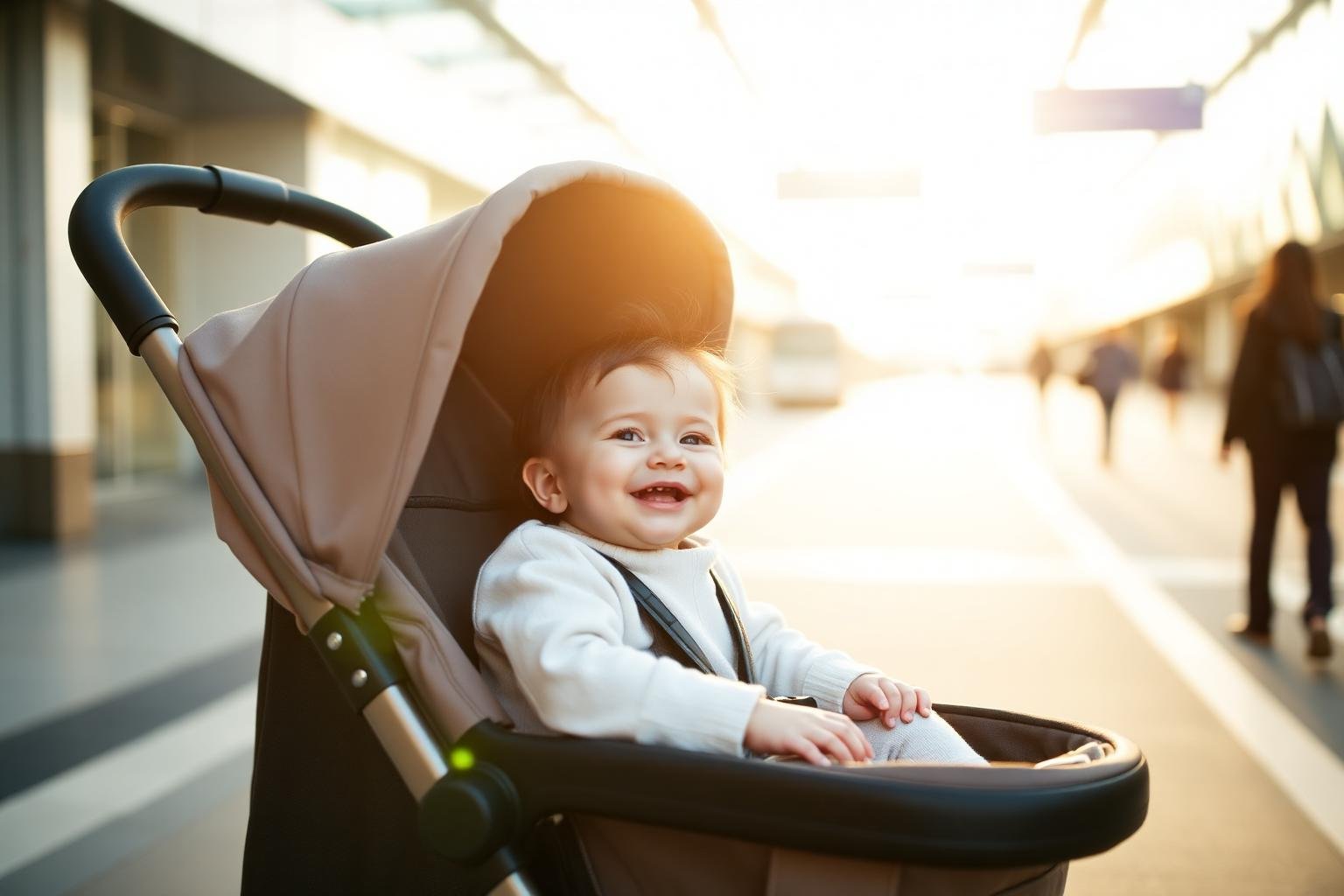
Best Baby Strollers: A Pediatrician’s Guide (2026)
Medically reviewed by Dr. Ahmad Raza, MD (Pediatrics) — ChildBloom Medical Review Panel. Last updated: August 4, 2026.
For the full picture, read our pillar guide on Minimal Baby Travel Gear Checklist for Flying.
Editorial & affiliate disclosure: our guidance is written and reviewed by clinicians. ChildBloom may earn a commission from qualifying purchases made through links on this page, which never changes what our pediatric reviewers recommend.
Looking for clear answers about baby strollers? This pediatrician-reviewed guide covers what matters, what to skip, the safety checks that count, and exactly when to involve your doctor — based on current AAP, CDC and CPSC guidance on baby strollers.
Quick pediatrician summary: baby strollers
Short answer: A pediatrician reviews baby strollers: what actually matters, our tested picks, safety checks and the mistakes to avoid before you buy.
As an Amazon Associate, we earn from qualifying purchases. This helps support our free pediatric content at no extra cost to you.
Walking into a baby store and seeing a wall of strollers can feel incredibly overwhelming. Do you need one that costs more than your first car? Or will a simple, lightweight one do the trick? As a pediatrician, I see new parents struggle with this decision all the time, worried about making the wrong choice for their baby and their budget.
The good news is, it doesn’t have to be this complicated. The secret isn’t finding the one “perfect” stroller. It’s about understanding your family’s real-life needs and matching them with features that ensure your baby is safe, comfortable, and supported. In this guide, we’ll cut through the marketing jargon and give you a pediatrician’s perspective on how to choose the right stroller strategy for you.
The “One vs. Two Strollers” Myth: A Pediatrician’s Honest Answer
Many brands sell the idea of a single, “do-it-all” travel system. And while that sounds great, the reality is that these strollers are often heavy, bulky, and a hassle to manage in tight spaces or when traveling. I once saw a family trying to gate-check a massive stroller at the airport; it was a stressful experience for everyone involved.
In my experience, most families find the most-happiness and flexibility with a two-stroller approach:
- A Primary “Workhorse”: This is your full-size stroller for neighborhood walks, grocery trips, and everyday errands. It should be sturdy, comfortable for your baby, and have ample storage.
- A Secondary “Grab-and-Go”: This is a lightweight, compact stroller for travel, quick trips, or to keep in the trunk of a secondary car.
Often, buying a great primary stroller and an inexpensive-but-reliable lightweight one costs less than a premium “all-in-one” system and covers far more real-world scenarios.
Key Stroller Features for Your Baby’s Development & Safety
From a pediatric standpoint, your stroller is more than just a transportation device; it’s an environment that needs to support your child’s growing body. Here’s what truly matters at each stage.
For Newborns (0-6 Months)
A newborn’s body is still developing strength in their neck and torso. Proper positioning is critical for healthy breathing and spinal development.
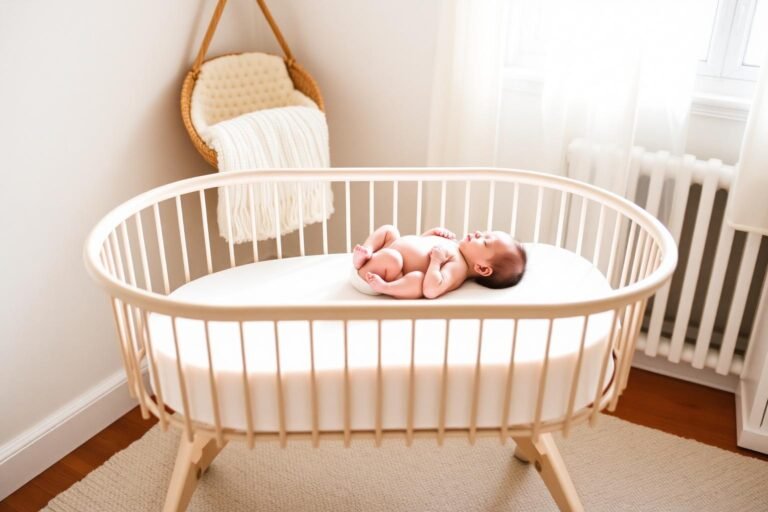
- Lie-Flat Position: The most important feature for a newborn is a seat that reclines completely flat (at least 150 degrees). This is often called a “pramette” or bassinet attachment. This position keeps their airway open and supports their developing spine. This is a crucial part of your baby’s early development.
- Parent-Facing Seat: Being able to see and talk to your newborn provides crucial bonding and allows you to monitor their breathing and comfort easily.
- Travel System Capability: The ability to click an infant car seat directly onto the stroller can be a lifesaver, as it means you don’t have to wake a sleeping baby for a quick errand.
For Older Babies & Toddlers (6+ Months)
Once your baby has good head and neck control (usually around 6 months), their needs change.
Related reading: Best Newborn Strollers with Bassinets for Safe Use.
- Secure 5-Point Harness: This is a non-negotiable safety feature. It should fit snugly over the shoulders, hips, and between the legs to keep your child secure.
- Good Sun Canopy: Look for a large, adjustable canopy with a UPF 50+ rating to protect your child’s sensitive skin from the sun.
- Sturdy Wheels and Frame: As your child gets bigger and heavier, you’ll appreciate a stroller that feels stable and maneuvers easily. This is also a good time to consider safe mobility alternatives for when they want to explore on their own two feet.
Practical Tips for Choosing the Right Stroller for *Your* Life
Think honestly about your daily routines. The best stroller is one that fits your life, not a fantasy version of it.
- Where do you live? City dwellers navigating curbs and subways need great suspension and a nimble frame. Suburban families may prioritize a huge storage basket for groceries and a simple fold to get it in the car.
- How often will you travel? If you’re a frequent flyer, an ultra-lightweight stroller that fits in the overhead bin is a game-changer.
- Perform the “One-Hand Fold” Test: Can you fold and unfold it with one hand while holding a (pretend) baby? If not, it will be a source of constant frustration.
- Measure Your Trunk: Before you buy, measure your car’s trunk to ensure your chosen stroller will actually fit, along with everything else you need to carry.
Common Mistakes to Avoid When Buying a Stroller
- Ignoring the Weight: A stroller might feel manageable in the store, but imagine lifting it into your car several times a day. Be realistic about what you can comfortably handle.
- Forgetting Storage: A tiny basket that can’t fit a diaper bag and a few essentials is a design flaw. Don’t underestimate how much you’ll need to carry.
- Skipping Safety Checks: Look for a Juvenile Products Manufacturers Association (JPMA) certification sticker on the box. This means the stroller has met stringent safety standards.
- Hanging Bags on the Handlebar: Never hang a heavy diaper bag from the handlebar. It can make the stroller dangerously unstable and cause it to tip over backward. Use the storage basket instead.
Frequently Asked Questions About Baby Strollers
When can my baby sit in a regular stroller seat?
Most pediatricians recommend waiting until your baby has strong, consistent head and neck control and can sit up with minimal assistance, which typically happens around 6 months of age. Before that, they should lie in a bassinet or a fully reclined stroller seat.
Do I really need a bassinet attachment?
For newborns, a lie-flat solution is a must for optimal airway and spine support. While a dedicated bassinet is fantastic, a stroller seat that offers a true lie-flat recline (150 degrees or more) is a perfectly safe and often more budget-friendly alternative.
Is it safe to hang my diaper bag on the stroller handlebar?
No, this is a significant safety risk. The weight of the bag can make the stroller unstable and cause it to tip over, potentially injuring your child. Always place bags and other items in the designated storage basket underneath.
How long can a baby safely stay in an infant car seat that’s clicked into a stroller?
Infant car seats are for transport, not for prolonged sleep or lounging. It’s best to limit the time your baby spends in their car seat to about two hours at a time. The semi-upright position can put pressure on their developing spine and potentially affect breathing if they’re in it for too long.
Are expensive strollers really worth it?
Sometimes, but not always. More expensive strollers may offer higher-quality materials, better suspension for a smoother ride, and more innovative features. However, you can find many safe, reliable, and highly functional strollers at mid-range price points. Safety (like the JPMA seal) and a good fit for your lifestyle are more important than the price tag.
See also: What Diaper Bag to Bring to Hospital (Checklist 2026).
Your Partner in Parenting
Choosing the right gear is one of the first of many decisions you’ll make as a parent. Take a deep breath. You are capable and caring, and by focusing on safety and your family’s true needs, you will make a wonderful choice.
Finding the right tools can make the journey of parenthood smoother and more joyful. We’re here to support you every step of the way with expert advice you can trust.
Frequently asked questions about baby strollers
How do I know if baby strollers is safe for my baby?
Check for current CPSC compliance and a JPMA or ASTM certification mark, confirm the product matches your baby’s weight and developmental stage, and register it so you receive recall notices. If a product has visible damage, missing parts or an unknown history, do not use it.
What features actually matter when choosing baby strollers?
Prioritise safety certification, a stable and correctly sized fit, easy cleaning, and simple everyday use over extra features. Most add-on functions do not change safety or outcomes, and cheaper certified options frequently perform as well as premium ones.
When should I talk to my pediatrician about baby strollers?
Bring it up at your next well-child visit if your baby was premature, has reflux, low tone, hip concerns or any medical device, or if your baby seems uncomfortable, struggles to breathe or will not settle while using the product.
Common mistakes parents make with baby strollers
- Assuming a higher price means a safer or better-performing option — certification and correct fit matter far more.
- Skipping the instruction manual, weight limits and product registration, which is how recall notices reach you.
- Changing several things at once, so you cannot tell what actually helped your baby.
- Relying on advice from social media instead of your pediatrician when something feels off.
- Best Compact Stroller That Fits Overhead Bin
- Best Pacifier for Breastfed Baby
- Best Baby Monitor 2026
- Best Formula for Gassy Baby
- ChildBloom product reviews
- CPSC nursery product safety center
- AAP HealthyChildren safety guidance
- ASTM juvenile product standards
Medical disclaimer: this article is for general education and does not replace individual medical advice. Always follow your own pediatrician’s guidance for your child.
Related ChildBloom Guides
- Lightweight Travel Crib for Overnight Sleep (AAP 2026)
- Best Compact Stroller That Fits Overhead Bin
- Choosing a Safe Portable Crib for Baby Travel and Home Sleep Safety
- Diaper Bag Packing List for Hospital Newborn
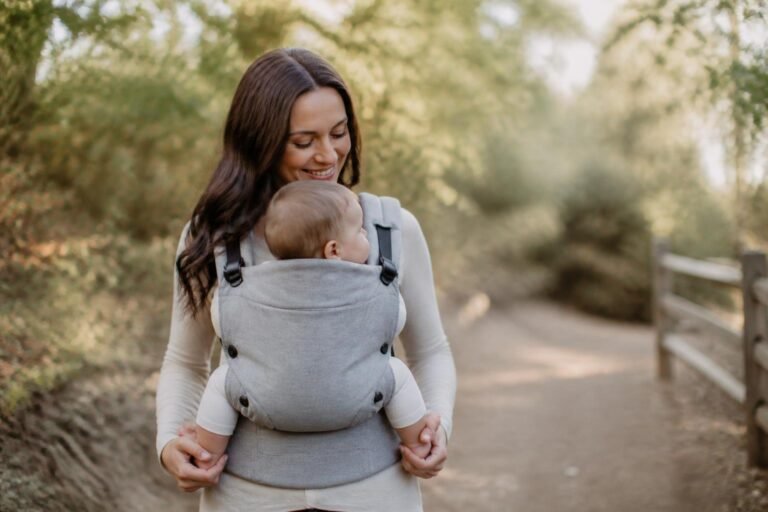
- Stroller vs Baby Carrier for Newborn Travel (Airport)
- Browse all Travel guides
References & Medical Sources
Reviewed by the ChildBloom pediatric panel. Meet our physicians on the About page. This article is educational and does not replace your child’s clinician.



5 Comments