Baby Bath Safety: 3–12 Months Guide
Medically reviewed by Dr. Ahmad Raza, MD (Pediatrics) — ChildBloom Medical Review Panel. Last updated: August 03, 2026.
Editorial & affiliate disclosure: our guidance is written and reviewed by clinicians. ChildBloom may earn a commission from qualifying purchases made through links on this page, which never changes what our pediatric reviewers recommend.
If you are searching for answers about baby bath safety, you are in the right place. This pediatrician-reviewed guide explains what is normal, what the likely causes are, the red flags that mean you should call your doctor, and what you can safely do at home — all based on current AAP, CDC and NIH guidance.
For more detailed guidance, visit the American Academy of Pediatrics or the CDC’s Infant and Toddler Health page.
Baby Bath Safety: Essential Guidelines for 3–12 Months
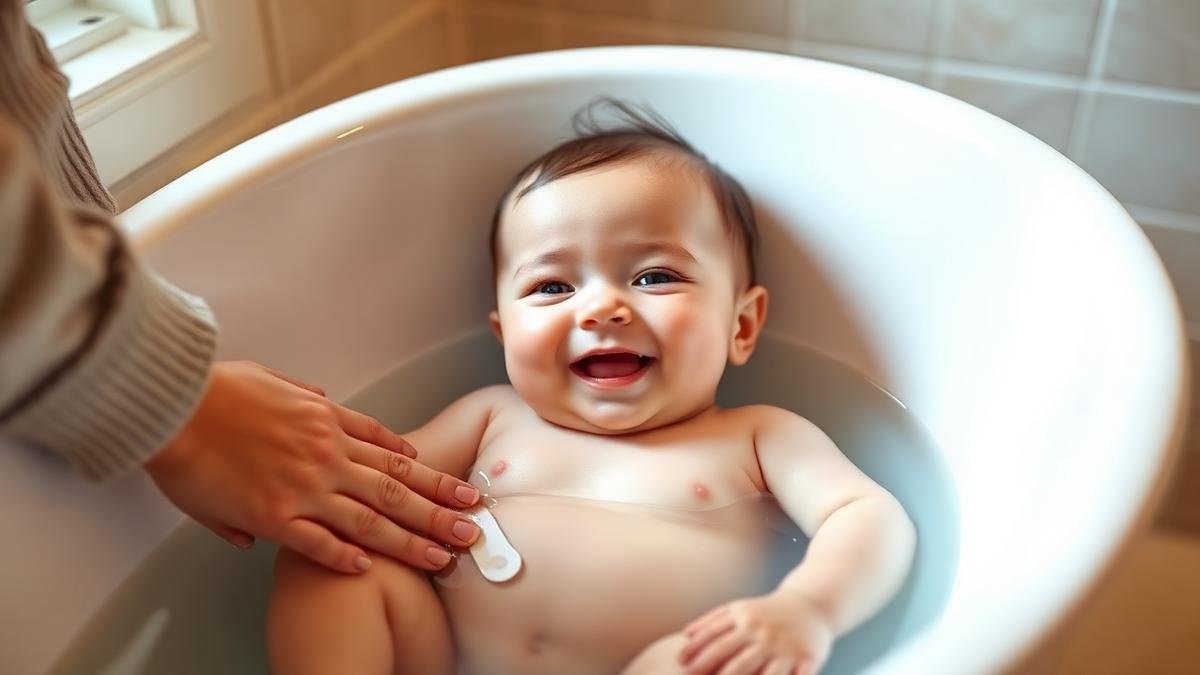
Bath time is a wonderful bonding opportunity, but it also requires vigilant safety practices. Drowning is the leading cause of injury death among children ages 1–4, and infants can drown in as little as one inch of water. Never leave your baby unattended in the bath — not even for a second. If you forget something, take your baby with you. Gather all supplies before starting the bath. The water temperature should be no hotter than 100°F (38°C) — test with your elbow or wrist, not your hand. Most bath thermometers show a safe range. Fill the tub only 2-3 inches deep for infants.
Bath Frequency and Products for Sensitive Skin
Babies 3–12 months do not need daily baths. Two to three times per week is sufficient, with daily spot-cleaning of the face, hands, diaper area, and skin folds. Over-bathing can strip natural oils and cause dry skin or eczema. Use fragrance-free, dye-free, hypoallergenic baby wash sparingly. Avoid bubble baths, which can irritate the urinary tract. After bathing, pat your baby dry (do not rub) and apply a gentle moisturizer within 3 minutes of drying to lock in hydration. For babies with eczema, use a prescribed or pediatrician-recommended moisturizer and avoid hot water.
Making Bath Time Safe and Enjoyable
Keep bath time calm and predictable. The ideal room temperature is 75°F (24°C). Use a non-slip bath mat or insert in the tub. Support your baby’s head and neck at all times — babies this age are slippery when wet. Use a cup or your hand to pour water gently over your baby to keep them warm. Talk, sing, or make eye contact throughout. Keep bath time short — 5-10 minutes is plenty. Watch for signs of cold (shivering, blue lips) and end the bath promptly. After 6 months, most babies enjoy bath toys, which can make the experience more engaging.
Recommended Products for Baby Bath Safety
As an Amazon Associate, we earn from qualifying purchases.
Bath Safety Essentials
| Product | Key Features | Best For | Price |
|---|---|---|---|
| Munchkin White Hot Inflatable Duck Tub | Temperature alert, inflatable, compact, non-slip bottom | Safe bath for 3-18 months | $$ |
| Aqua Scale Duck Bath Thermometer | Digital readout, safe zone indicator, waterproof, duck shape | Water temperature monitoring | $ |
| Prince Lionheart WashPod Baby Bath Support | Ergonomic, quick-dry mesh, sturdy legs, compact fold | Hands-free bath support 0-12 months | $$ |
Gentle Baby Skincare
| Product | Key Features | Best For | Price |
|---|---|---|---|
| Mustela Gentle Cleansing Gel | Plant-based, soap-free, fragrance-free, tear-free | Daily baby bath wash | $$ |
| Aveeno Baby Eczema Therapy Moisturizing Cream | Colloidal oatmeal, fragrance-free, steroid-free, dermatologist-tested | Eczema-prone + dry skin | $$ |
| Burt’s Bees Baby Bee Shampoo & Wash | 98.9% natural origin, gentle, tear-free, lightly scented | Gentle daily wash | $ |
If you have specific concerns about your child’s health, development, or behavior that are not addressed in this article, please bring them to your next pediatrician visit. Every child is unique, and personalized medical advice — based on your child’s individual history, examination findings, and family context — is always more valuable than generalized guidance. Your pediatrician is your partner in navigating the complex and rewarding journey of raising a healthy, happy child.
Frequently Asked Questions
{“@context”: “https://schema.org”, “@type”: “FAQPage”, “mainEntity”: [{“@type”: “Question”, “name”: “Is a bath seat or sling safe?”, “acceptedAnswer”: {“@type”: “Answer”, “text”: “Bath seats are convenience items, not safety devices. They can tip and donu2019t prevent drowning. Always keep a hand on baby during bath time.”}}, {“@type”: “Question”, “name”: “How often should I bathe my baby?”, “acceptedAnswer”: {“@type”: “Answer”, “text”: “Most pediatricians recommend 2u20133 times a week. More often can dry skin.”}}, {“@type”: “Question”, “name”: “What if I have to answer the door?”, “acceptedAnswer”: {“@type”: “Answer”, “text”: “Take baby with you, wrapped in a towel. Never assume u2018just a secondu2019 is safe.”}}]}
Is a bath seat or sling safe?
Bath seats are convenience items, not safety devices. They can tip and don’t prevent drowning. Always keep a hand on baby during bath time.
How often should I bathe my baby?
Most pediatricians recommend 2–3 times a week. More often can dry skin.
What if I have to answer the door?
Take baby with you, wrapped in a towel. Never assume “just a second” is safe.
Baby Bath Safety: Quick Pediatrician Summary
Most of the time bath-related worries are about supervision, water temperature, and skin care rather than anything medically complex. Never leave a baby alone in the bath, keep water at or below 100°F, and moisturize promptly afterward if skin runs dry. Call your pediatrician if you notice a rash that doesn’t improve with gentler products, or any incident where your baby swallowed a large amount of bathwater or briefly went under.
Common mistakes parents make
- Treating a single measurement or one bad day as a trend instead of watching the pattern over several days.
- Trying several remedies at once, so it becomes impossible to tell what helped.
- Waiting for a convenient time to call when a red flag is already present — feeding, breathing and alertness changes are always worth a same-day call.
- Following advice from an unsourced social post rather than your own pediatrician, who knows your child’s history and growth curve.
Related guides from our pediatric team
- Baby Fever Temperature Guide: 3–12 Months
- Cognitive Development in Infants: 3–12 Months
- More expert answers in Pediatrician’s Corner
References and further reading
- AAP HealthyChildren: symptoms & when to call the doctor
- CDC child health & development
- NIH MedlinePlus infant and newborn care
Medical disclaimer
This article is for general education and is not a substitute for individual medical advice, diagnosis or treatment. Every child is different — talk to your own pediatrician about your baby, and seek urgent care for breathing difficulty, poor feeding, dehydration, unusual sleepiness, fever in an infant under 3 months, or any sudden change in your child’s condition.






10 Comments