Essential Oils for Babies: Safe and Unsafe Options
# Essential Oils for Babies: Safe and Unsafe Options
Quick Answer
Most essential oils are **not safe** for babies and young children. Oils like **eucalyptus, peppermint, camphor, rosemary, and wintergreen** can cause serious breathing problems, seizures, and skin burns in infants. Even commonly considered “gentle” oils like **lavender and chamomile** should be used with extreme caution — heavily diluted, never applied directly to the skin, and never given orally. The American Academy of Pediatrics (AAP) advises against using essential oils on babies under 6 months old. For older babies, diffusion in a well-ventilated room for short periods may be acceptable, but only with oils deemed age-appropriate by a pediatrician. When in doubt, skip them entirely.
—
What Are Essential Oils?
Essential oils are highly concentrated plant extracts obtained through steam distillation, cold pressing, or solvent extraction. These oils capture the scent, flavor, and beneficial chemical compounds of the plant they come from. A single drop of essential oil can represent the essence of an entire plant or a significant portion of it. For example, it takes approximately 250 pounds of lavender flowers to produce one pound of lavender essential oil, and roughly 10,000 pounds of rose petals to make a single pound of rose oil.
This extreme concentration is what gives essential oils their powerful aromatherapeutic properties — but it is also what makes them potentially dangerous for babies and young children. The same chemical complexity that helps adults relax or sleep can overwhelm an infant’s developing body.
Essential oils have been used for thousands of years across various cultures for medicinal, spiritual, and cosmetic purposes. Ancient Egyptians used them in embalming and perfumery. Traditional Chinese medicine and Ayurvedic practices in India have incorporated plant extracts for millennia. In modern times, the aromatherapy industry has exploded into a multi-billion-dollar global market, with parents increasingly turning to natural remedies for common baby issues like colic, teething discomfort, trouble sleeping, and congestion.
However, “natural” does not automatically mean “safe” — especially for babies. The chemical composition of essential oils includes compounds like menthol, camphor, eucalyptol, linalool, and thymol, which can have potent pharmacological effects. These compounds interact with the body’s nervous system, endocrine system, and respiratory system in ways that are well-documented in adults but poorly studied in infants.
For parents considering essential oils around their baby, understanding the science, the risks, and the expert guidelines matters before making any decisions.
—
Why Babies Are More Vulnerable to Essential Oils
Babies are not small adults. Their bodies process substances differently, and their immature organ systems make them far more susceptible to harm from concentrated compounds like essential oils. Several physiological factors explain why essential oils pose a greater risk to infants and toddlers compared to older children and adults.
Immature Liver and Kidney Function
A baby’s liver and kidneys are still developing. The liver metabolizes and detoxifies chemicals that enter the body, while the kidneys filter and excrete waste products. In newborns and young infants, these organs function at a reduced capacity. Compounds absorbed through the skin or inhaled may stay in a baby’s system longer and at higher concentrations than they would in an adult.
The cytochrome P450 enzyme system in the liver, which metabolizes many plant-based compounds, is not fully active at birth. Some enzymes do not reach adult-level activity until several months of age, and others may not mature until a child is two or three years old. This developmental immaturity means that essential oil compounds can accumulate in a baby’s body, potentially reaching toxic levels even from small exposures.
Thinner, More Permeable Skin
Infant skin is significantly thinner than adult skin — roughly 40 to 60 percent thinner in newborns. The outermost layer of the skin, the stratum corneum, which serves as the primary barrier against external substances, is not fully developed at birth. This makes it easier for essential oil compounds to penetrate the skin and enter the bloodstream.
Furthermore, the surface-area-to-body-weight ratio in infants is much higher than in adults. A given amount of a substance applied to the skin will result in a proportionally larger systemic dose in a baby. What might be a mild, localized effect on an adult’s skin could become a systemic exposure in an infant.
Developing Respiratory Systems
Babies have smaller airways that are more reactive to irritants. The olfactory epithelium in an infant’s nasal passages is rich in nerve endings and highly sensitive. Inhaling concentrated essential oil vapors — even amounts that an adult would find pleasant — can trigger bronchospasm, coughing, wheezing, or respiratory distress in a baby.
The respiratory centers in an infant’s brain stem are also not fully mature. Compounds like menthol and eucalyptol, which stimulate cold receptors in the airways, can paradoxically depress respiratory drive in very young infants. This is a serious concern with products like vapor rubs containing camphor or menthol, which have been associated with life-threatening respiratory events in babies.
Hormonal and Endocrine Sensitivity
Emerging research has raised concerns about the hormonal effects of certain essential oils. Lavender and tea tree oils, in particular, have been linked to prepubertal gynecomastia (breast development in young boys) in case reports published in peer-reviewed journals. The National Institutes of Health (NIH) has investigated these reports and found that lavender and tea tree oils have estrogenic and anti-androgenic activity in laboratory studies, meaning they can mimic or interfere with human hormones.
While the clinical significance of this finding is still debated, and most reported cases involved prolonged, repeated use of these oils on the skin, the potential for endocrine disruption in developing infants is a legitimate concern that warrants caution.
—
Essential Oils That Are Unsafe for Babies
Parents should know that many common essential oils are definitively unsafe for use around babies and young children. These oils contain specific compounds that can cause serious adverse effects, including seizures, respiratory arrest, severe skin irritation, and systemic toxicity. The following oils should be avoided entirely for infants under two years of age, and many should be avoided for children under ten.
Eucalyptus Oil
Eucalyptus oil contains a compound called eucalyptol (also known as 1,8-cineole), which makes up 70 to 90 percent of the oil. Eucalyptol is a potent irritant to the respiratory tract and central nervous system. In babies and young children, even small amounts of eucalyptus oil — applied to the skin, added to bath water, or diffused in a room — can cause dangerous respiratory distress, bronchospasm, and in severe cases, seizures.
The [Poison Control center](https://www.poison.org) reports that eucalyptus oil is one of the most commonly involved essential oils in pediatric poisoning cases. Ingestion of even a small amount (as little as one teaspoon) can be fatal in a young child. Symptoms of eucalyptus toxicity include difficulty breathing, rapid or slow heartbeat, vomiting, dizziness, muscle weakness, and loss of consciousness.
Eucalyptus oil should never be applied to the face or chest of a baby, never added to a crib or sleeping area, and never used in a diffuser in a room where an infant is present.
Peppermint Oil
Peppermint oil contains menthol, a compound that activates cold-sensitive receptors in the skin and mucous membranes. While this creates a cooling sensation in adults, in babies it can cause severe respiratory problems. Menthol can stimulate the cold receptors in an infant’s airways, triggering a reflex that slows breathing or causes apnea (temporary cessation of breathing).
The [FDA](https://www.fda.gov) has issued warnings about the use of menthol-containing products on or near the faces of infants and young children. Camphorated petroleum ointments and menthol chest rubs are specifically labeled as not for use in children under two years old. The risk of respiratory depression from peppermint oil is significant enough that many pediatricians advise against its use in any form — topical, inhaled, or diffused — around babies.
Direct skin contact with peppermint oil can also cause severe chemical burns in infants due to their thin, sensitive skin.
Camphor Oil
Camphor is one of the most dangerous essential oils for babies. It is a white, waxy substance derived from the wood of the camphor laurel tree (Cinnamomum camphora) and is a potent neurotoxin. Camphor can cause seizures within minutes of ingestion, inhalation, or significant skin absorption.
The [American Association of Poison Control Centers](https://aapcc.org) documents hundreds of camphor poisoning cases in children each year. Even small amounts — a few milliliters — can be lethal in a baby. Symptoms of camphor poisoning include burning of the mouth and throat, nausea, vomiting, muscle twitching, confusion, seizures, and loss of consciousness.
Camphor-containing products, including some vapor rubs, topical analgesics, and moth repellents, should be stored completely out of reach of children. No product containing camphor should ever be applied to a baby’s skin or used in their environment.
Rosemary Oil
Rosemary oil (Rosmarinus officinalis) contains camphor as one of its constituent compounds, along with other ketones like verbenone. These compounds can trigger seizures and increase blood pressure in infants. Rosemary oil should not be used on or around babies and young children under any circumstances.
Wintergreen Oil
Wintergreen oil (Gaultheria procumbens) contains methyl salicylate, which is chemically similar to aspirin (acetylsalicylic acid). Methyl salicylate is extremely toxic to babies and young children. Even small amounts absorbed through the skin can cause salicylate poisoning, which presents as vomiting, rapid breathing, fever, confusion, and in severe cases, seizures, liver failure, or death.
Wintergreen oil should never be used on or around babies. Parents should also be cautious with any over-the-counter products containing methyl salicylate (some muscle rubs and pain relievers) and keep them well out of reach of children.
Other Oils to Avoid
Additional essential oils that are unsafe for babies and young children include:
– **Clove oil** — contains eugenol, which can cause liver damage and severe skin burns
– **Cinnamon oil** — a potent skin and mucous membrane irritant that can cause chemical burns
– **Oregano oil** — contains thymol and carvacrol, which are strong irritants to skin and mucous membranes
– **Thyme oil** — contains thymol and can cause respiratory and skin irritation
– **Lemongrass oil** — can cause severe skin irritation and has been associated with toxicity cases
– **Citrus oils (lemon, orange, bergamot)** — can cause severe phototoxicity (skin burns when exposed to sunlight) and skin irritation
– **Tea tree oil** — toxic when ingested; has potential endocrine-disrupting properties; should never be given orally or applied undiluted
– **Birch oil** — contains methyl salicylate, similar to wintergreen, and poses the same toxicity risks
—
Essential Oils That May Be Safer for Older Babies (With Caution)
While many essential oils are clearly unsafe for babies, a small number are sometimes considered for cautious use in older babies (typically six months and above) and toddlers. “Safer” does not mean “safe without precautions.” These oils should still be used sparingly, properly diluted, and ideally under the guidance of a pediatrician.
Lavender Oil
Lavender (Lavandula angustifolia) is the most commonly recommended essential oil for use around older babies. It has a long history of use for promoting relaxation and sleep. Some small studies, including one published in the *Journal of Alternative and Complementary Medicine*, have suggested that lavender oil aromatherapy may help reduce infant crying and improve sleep quality.
However, lavender oil is not without its concerns. As noted earlier, the NIH has published research indicating that lavender oil has estrogenic activity and may be linked to prepubertal gynecomastia in boys when used topically over extended periods. The clinical significance of this finding for typical aromatherapy use is still debated, but parents should be aware of the potential.
If used, lavender oil should:
– Be diluted to a very low concentration (0.5 to 1 percent) for any skin application
– Never be applied to broken or irritated skin
– Not be given orally
– Only be diffused in a well-ventilated room for short periods (15 to 30 minutes maximum)
– Never be used in a sleeping baby’s room overnight
Chamomile Oil (Roman or German)
Chamomile (Matricaria chamomilla or Chamaemelum nobile) is another oil sometimes used around older babies. Roman chamomile has a long history of use for calming and soothing properties. It contains compounds like bisabolol and chamazulene that have anti-inflammatory and mild sedative effects.
Like lavender, chamomile oil should be heavily diluted before any skin application, should not be given orally, and should only be diffused briefly in well-ventilated spaces. Some babies may be allergic to chamomile, especially if they have allergies to plants in the daisy family (Asteraceae), which includes ragweed, marigolds, and chrysanthemums.
—
How to Use Essential Oils Safely Around Babies
For parents who choose to use essential oils around older babies despite the risks, following strict safety guidelines is essential. The [National Association for Holistic Aromatherapy (NAHA)](https://naha.org) and the [International Federation of Professional Aromatherapists (IFPA)](https://ifparomatherapy.org) provide evidence-based safety recommendations for pediatric use.
Dilution Guidelines
Essential oils should never be applied undiluted to a baby’s skin. Undiluted application can cause severe chemical burns, sensitization, and systemic absorption. For babies six months and older, the maximum recommended dilution for skin application is **0.5 percent**, which equals approximately **1 drop of essential oil per 2 tablespoons (1 ounce) of carrier oil** (such as coconut oil, sweet almond oil, or jojoba oil).
For toddlers (ages 1 to 2), the dilution may be increased to **1 percent** (1 drop per 1 tablespoon of carrier oil), but this should only be used for short-term, specific purposes and under guidance.
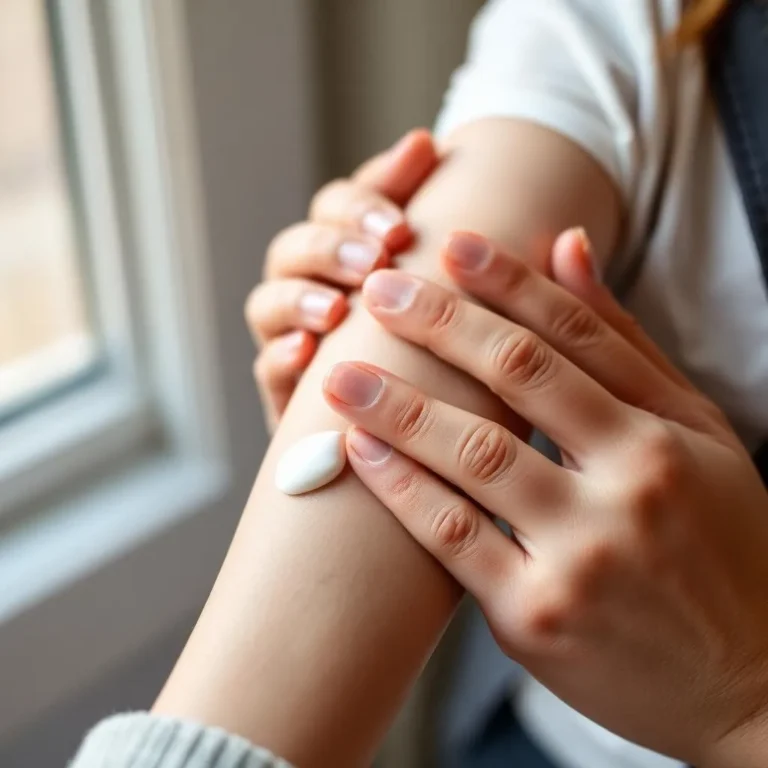
**Always perform a patch test** before using any diluted oil on a baby. Apply a small amount of the diluted oil to a small area of skin (such as the inner forearm) and wait 24 hours to check for any redness, rash, or irritation.
Diffusion Guidelines
If using a diffuser around a baby or young child:
– **Never use a diffuser in a baby under 6 months old**
– Use only a cool-mist, ultrasonic diffuser (never heat-based diffusers, which can alter the chemical composition of the oils)
– Diffuse for **no more than 15 to 30 minutes** at a time
– Ensure the room is **well-ventilated** — keep a window cracked or a door open
– Place the diffuser **at least 6 feet away** from the baby’s sleeping or play area
– **Never diffuse in a closed room overnight**
– **Never force the baby to inhale** — if the baby shows any signs of discomfort (crying, coughing, sneezing, rubbing eyes), stop diffusion immediately
– Use only oils that are age-appropriate
– Reduce the number of drops — for a baby-safe diffusion, 1 to 2 drops is sufficient
What to Never Do
– **Never apply undiluted essential oils directly to a baby’s skin**
– **Never add essential oils to a baby’s bath** — oils do not mix with water and can cause concentrated contact with the skin
– **Never give essential oils orally to a baby** — ingestion can cause severe toxicity, organ damage, or death
– **Never use essential oils on or near a baby’s face, nose, or chest**
– **Never store essential oils within reach of children** — use childproof caps and store in a locked cabinet
– **Never use essential oils on broken, irritated, or eczema-affected skin**
– **Never rely on essential oils to treat a medical condition** — they are not substitutes for pediatric medical care
—
The Risks and Side Effects of Essential Oils for Infants
Understanding the specific risks and potential side effects of essential oils helps parents make informed decisions. Adverse reactions to essential oils in babies can range from mild irritation to life-threatening emergencies.
Respiratory Distress
This is one of the most common and serious risks. Essential oil compounds can irritate the delicate mucous membranes of an infant’s airways, causing coughing, wheezing, increased mucus production, and in severe cases, bronchospasm or respiratory arrest. Eucalyptus, peppermint, and camphor oils are the most commonly implicated in respiratory reactions.
Skin Burns and Irritation
Essential oils are potent contact irritants. Undiluted or improperly diluted oils can cause first- or second-degree chemical burns on a baby’s thin skin. Reactions may include redness, swelling, blistering, and intense pain. Clove, cinnamon, oregano, and lemongrass oils are particularly caustic.
Seizures
Camphor, rosemary, fennel, hyssop, and sage oils have been associated with triggering seizures in infants and young children. The neurotoxic compounds in these oils can cross the blood-brain barrier and cause convulsions, which can be life-threatening and may cause lasting neurological damage.
Hormonal (Endocrine) Effects
Lavender and tea tree oils have demonstrated estrogenic and anti-androgenic activity in laboratory and clinical studies. The [NIH’s National Institute of Environmental Health Sciences (NIEHS)](https://www.niehs.nih.gov) has published research confirming these hormonal effects. While isolated case reports of prepubertal gynecomastia have raised concern, the risk from occasional, properly diluted diffusion appears to be low — but the potential for endocrine disruption with repeated topical application warrants caution.
Gastrointestinal Toxicity
If a baby ingests even a small amount of certain essential oils, the consequences can be severe. Symptoms include nausea, vomiting, abdominal pain, diarrhea, and in cases of camphor or eucalyptus ingestion, seizures, coma, and respiratory failure. The [Poison Control helpline (1-800-222-1222)](https://www.poison.org) should be called immediately if a baby ingests any amount of essential oil.
Allergic Reactions
Babies can develop allergic sensitization to essential oils upon first exposure or after repeated use. Allergic reactions may include hives, rash, swelling of the face or lips, difficulty breathing, and anaphylaxis (a severe, life-threatening allergic reaction). Chamomile oil carries a particular risk for babies with Asteraceae family allergies.
—
What the AAP and FDA Say About Essential Oils for Babies
Parents often want to know what the major medical and regulatory organizations recommend regarding essential oils for infants and young children. Here is the current guidance from authoritative bodies.
American Academy of Pediatrics (AAP)
The [American Academy of Pediatrics](https://www.aap.org) does not have a single, dedicated policy statement on essential oils. However, its general guidance on infant care and product safety supports a cautious approach:
– The AAP advises against the use of any topical products containing camphor or menthol on infants and children under two years old.
– The AAP’s safe sleep guidelines emphasize that no scented products, diffusers, or aromatherapy devices should be placed in or near an infant’s sleep environment due to potential respiratory irritation and SIDS risk factors.
– The AAP recommends that parents consult their pediatrician before using any alternative or complementary therapies on infants.
U.S. Food and Drug Administration (FDA)
The [FDA](https://www.fda.gov) regulates essential oils marketed as cosmetics or drugs. Most essential oils sold for aromatherapy are marketed as cosmetics, meaning they are **not subject to premarket approval, safety testing, or FDA review** before being sold. This matters for parents: the safety and purity of essential oils are largely the responsibility of the manufacturer.
The FDA has issued specific warnings about:
– Camphor-containing products and the risk of seizures in children
– The dangers of ingesting essential oils
– The lack of evidence supporting health claims for many essential oils
The FDA does not recommend essential oils for the treatment or prevention of any medical condition in infants or children.
Poison Control Data
The [American Association of Poison Control Centers (AAPCC)](https://aapcc.org) publishes annual data on exposures to various substances. Essential oils consistently rank among the top substances involved in pediatric poisoning exposures. According to the AAPCC’s National Poison Data System, essential oil exposures in children under five years old have increased significantly in recent years, paralleling the growth in popularity of aromatherapy and essential oil use.
The vast majority of these exposures are accidental ingestions by curious toddlers who find improperly stored oils. However, a significant number also involve therapeutic misadventures — cases where parents applied oils to their child’s skin or used diffusers inappropriately.
NIH Research
The [National Institutes of Health](https://www.nih.gov), through its National Center for Complementary and Integrative Health (NCCIH), provides evidence-based information on essential oils. The NCCIH notes that while some essential oils have shown promise in research settings, most studies have been conducted in adults, not infants or children. The NCCIH advises that essential oils should be used with caution around children and that parents should consult healthcare providers before using them on or around babies.
—
Frequently Asked Questions
Can I diffuse essential oils in my baby’s room?
The AAP does not recommend any scented products or diffusers in an infant’s sleep environment. For babies over six months, brief diffusion (15 to 30 minutes) in a well-ventilated room, with the baby not present during active diffusion, may be acceptable using only age-appropriate oils. Never diffuse overnight or in a closed room with a sleeping baby.
What should I do if my baby ingests an essential oil?
Call [Poison Control immediately at 1-800-222-1222](https://www.poison.org). Do not induce vomiting unless instructed to do so. Have the product container available when you call. If the baby is having difficulty breathing, seizures, or loss of consciousness, call 911.
Is it safe to put lavender oil on my baby’s skin to help them sleep?
Lavender oil should never be applied undiluted to a baby’s skin. If you choose to use it on a baby over six months, dilute it to 0. percent (1 drop per 2 tablespoons of carrier oil) and perform a patch test first. Be aware of the potential hormonal concerns associated with lavender oil and discuss use with your pediatrician.
Can essential oils help with my baby’s colic?
There is limited and conflicting evidence on this. A small study suggested that lavender oil massage might reduce colic symptoms, but the quality of evidence is low. Safer, evidence-based approaches for colic include probiotic drops (Lactobacillus reuteri), feeding technique adjustments, and soothing white noise. Consult your pediatrician before using essential oils for colic.
Are essential oil baby products (shampoos, lotions) safe?
Products marketed for babies that contain essential oils are typically formulated at much lower concentrations than pure essential oils. However, “natural” labeling does not guarantee safety. Check the ingredient list for specific oils and avoid products containing eucalyptus, peppermint, camphor, clove, cinnamon, or wintergreen for infants. When in doubt, choose fragrance-free, hypoallergenic products recommended by your pediatrician.
What about baby vapor rubs with essential oils?
Most commercial vapor rubs containing camphor, menthol, or eucalyptus are **not safe for children under two years old**. Read labels carefully and follow age restrictions. For babies with congestion, safer alternatives include saline nasal drops, a cool-mist humidifier, and gentle nasal suction with a bulb syringe.
At what age can I start using essential oils on my baby?
Most experts, including aromatherapy safety organizations, recommend avoiding all essential oils on babies under three months old. For babies three to six months, only very diluted lavender or Roman chamomile may be considered for specific purposes. From six months onward, cautious use of select oils with proper dilution may be appropriate. For children over two, more oils become available, but dilution and safety guidelines should always be followed. Always consult your pediatrician before starting.
Can essential oils cause SIDS?
There is no direct evidence linking essential oils to Sudden Infant Death Syndrome (SIDS). However, the AAP’s safe sleep guidelines recommend that nothing be placed in an infant’s sleep environment that could pose a suffocation or respiratory risk. Using a diffuser in a closed room overnight could theoretically contribute to respiratory irritation, which is a SIDS risk factor. Essential oils should never be used in or near an infant’s sleep area.
What is the safest way to use essential oils if I have a baby in the house?
If you personally use essential oils and have a baby in the home: store all oils in locked cabinets, use diffusers only in rooms where the baby is not present, wash your hands after handling oils before touching the baby, and never apply oils to your own skin in areas that will have direct contact with the baby (such as the chest if you are holding them).
—
The Bottom Line
Essential oils are powerful, concentrated plant extracts that can cause serious harm to babies. While the appeal of “natural” remedies is understandable, parents should approach essential oils with the same caution they would any potent chemical product.
**The safest approach is to avoid all essential oils on and around babies under six months of age entirely.** For older babies, only a few oils (lavender, Roman chamomile) may be considered for very cautious, diluted use — and even then, only after consulting your pediatrician.
Remember:
– **Never apply undiluted oils to a baby’s skin**
– **Never give essential oils orally to a baby**
– **Never use eucalyptus, peppermint, camphor, rosemary, wintergreen, clove, or cinnamon oils around babies**
– **Never diffuse essential oils in a closed room with a sleeping baby**
– **Always store essential oils in locked cabinets out of reach of children**
– **Always call Poison Control (1-800-222-1222) if ingestion occurs**
Your pediatrician is your best resource for questions about specific products and your baby’s individual health needs. When in doubt, the safest choice is to skip the essential oils entirely.
—
*Written by Dr. Williams, MD (Pediatrics) | Medically approved by Dr. Ahmed Raza, MD (Pediatrics) | Updated for 2026*
*This article is for informational purposes only and does not constitute medical advice. Always consult your pediatrician before using any complementary or alternative therapies on your baby.*
Related Guides
Written by Dr. Sarah Williams, MD (Pediatrics), MD (Pediatrics) | Medically reviewed by Dr. Ahmad Raza, MD (Pediatrics) | Updated for 2026
This article is for general informational purposes only and does not constitute medical advice. Always consult your pediatrician with questions about your child’s specific health needs.