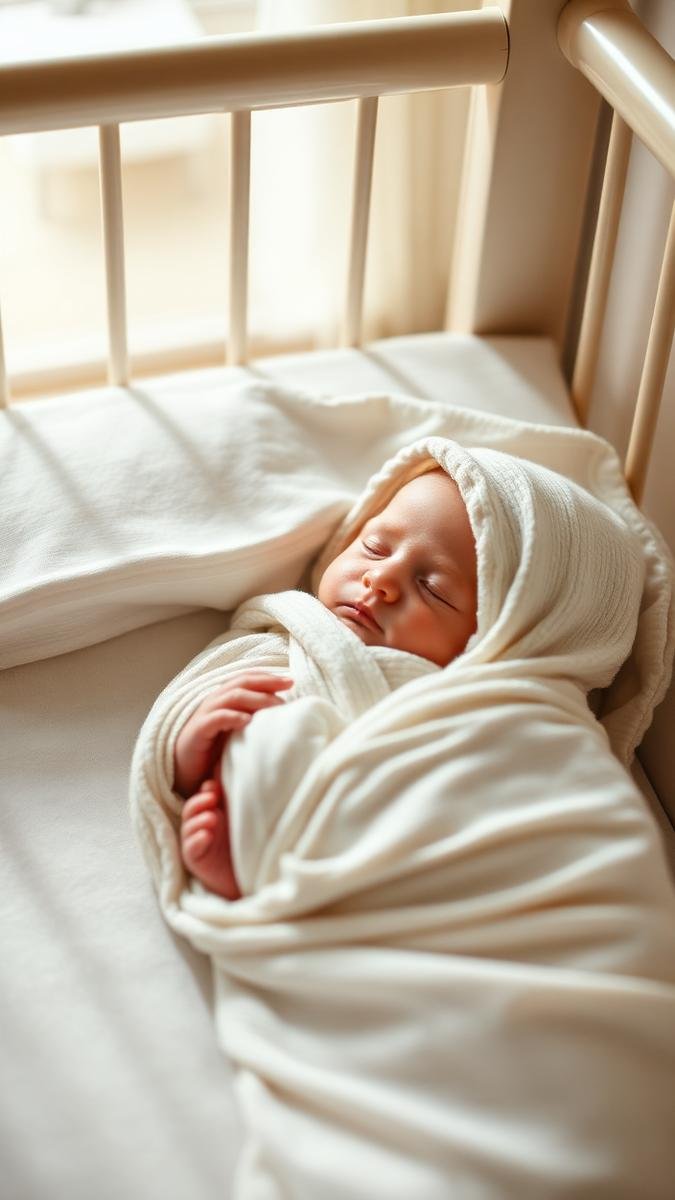
How Many Wet Diapers Should a Baby Have? A Day-by-Day Guide
Introduction: Why Wet Diapers Are Your Baby’s Health Report Card
In the whirlwind of early parenthood—sleepless nights, cluster feeding, and endless diaper changes—one question quietly haunts nearly every new parent: Is my baby getting enough to eat? While you can’t measure every ounce of breast milk or formula your little one consumes, there is one surprisingly reliable indicator sitting right in front of you: wet diapers.
Wet diaper output is one of the simplest, most accessible ways to gauge whether your baby is well-hydrated and feeding adequately. It’s so fundamental that pediatricians, lactation consultants, and parenting organizations worldwide use it as a primary assessment tool during those critical first weeks of life. Yet despite its importance, many parents leave the hospital without a clear understanding of what “normal” actually looks like day by day.
This guide gives you exactly that—a comprehensive, research-backed day-by-day breakdown of wet diaper expectations from birth through 12 months. We’ll cover what the American Academy of Pediatrics (AAP) recommends, how to distinguish between breastfed and formula-fed patterns, what urine color and smell can tell you, when fewer diapers signal a problem, and practical tips for tracking without losing your mind. Whether you’re a first-time parent anxiously counting every diaper or a seasoned caregiver refreshing your knowledge, this article is designed to give you confidence, clarity, and peace of mind.
What Wet Diapers Actually Tell You About Your Baby’s Health
Before diving into the numbers, it’s worth understanding why wet diapers matter so much. Newborns are approximately 75% water by body weight, and their tiny systems process fluids rapidly. Unlike older children or adults, babies can’t tell you when they’re thirsty, and their kidneys are still maturing. This makes them particularly vulnerable to dehydration—and particularly dependent on consistent fluid intake.
The connection between input (feeding) and output (urination) is direct and measurable. When a baby is feeding well, their body produces urine regularly. When intake drops—whether due to breastfeeding challenges, illness, or other factors—urine output drops almost immediately. This is why pediatricians emphasize diaper counts as a “vital sign” for infants, especially in the first month of life.
Wet diapers also reveal information about hydration quality. The color, concentration, and smell of urine can indicate whether your baby is getting enough fluids or showing early signs of dehydration. Pale yellow or nearly colorless urine generally signals good hydration, while dark yellow, strong-smelling urine may indicate concentrated urine from insufficient fluid intake.
Day-by-Day Wet Diaper Guide: The First Week
The first week of life is when diaper output changes most dramatically. Your baby transitions from receiving small amounts of colostrum to consuming larger volumes of mature milk or formula. This transition is reflected in a steady, predictable increase in wet diapers.
Day 1: The Colostrum Phase
Expected wet diapers: 1 to 2
On day one, your baby is consuming colostrum—the thick, nutrient-dense “liquid gold” that precedes mature breast milk. Colostrum comes in very small volumes (typically just teaspoons per feeding), so output is naturally low. One or two wet diapers in the first 24 hours is completely normal and expected.
What to watch for: The urine may appear dark yellow or even have a pinkish-orange tint. This “brick dust” appearance comes from urate crystals, which are common in the first few days as your baby’s kidneys adjust to processing fluids outside the womb.
When to worry: If your baby has no wet diapers in the first 24 hours, contact your pediatrician. This could indicate a feeding or medical issue that needs attention.
Day 2: Milk Volume Begins Increasing
Expected wet diapers: 2 to 3
By day two, your baby is likely taking in slightly more milk, and output should reflect this modest increase. Two to three wet diapers is the typical range.
What to watch for: The pink urate crystals may still be present. Continue monitoring feeding frequency—newborns should be feeding 8 to 12 times per 24 hours.
When to worry: Fewer than two wet diapers, especially if paired with poor feeding or excessive sleepiness, warrants a call to your pediatrician.
Day 3: The Transition Accelerates
Expected wet diapers: 3 to 4
Day three often marks a turning point. For breastfed babies, mature milk may begin “coming in” around this time (though it can happen anywhere between days 2 and 5). As milk volume increases, so should diaper output.
What to watch for: Diapers should start feeling noticeably heavier than on days 1 and 2. The urine color should begin lightening from dark yellow toward pale yellow.
When to worry: If your baby still has only 1 to 2 wet diapers by day three, or if you’re experiencing significant breastfeeding pain, engorgement without relief, or concerns about milk supply, contact a lactation consultant or pediatrician promptly.
Day 4: Approaching the Benchmark
Expected wet diapers: 4 to 6
By day four, most babies are well on their way to established feeding. Four to six wet diapers is typical, and you should notice diapers becoming consistently wet rather than just slightly damp.
What to watch for: Urine should be clearly pale yellow. The pink urate crystals should be disappearing. Stools should be transitioning from meconium (dark, tarry) to greenish-yellow transitional stools.
When to worry: Fewer than four wet diapers, especially if stools remain meconium-like, suggests feeding may not be fully established yet.
Day 5 and Beyond: The Gold Standard
Expected wet diapers: 6 or more
By day five, the AAP benchmark is clear: six or more wet diapers per day is the sign that feeding is well-established and your baby is adequately hydrated.
This benchmark applies whether your baby is breastfed, formula-fed, or combination-fed. The key factor is adequate intake, not the feeding method itself.
What to watch for: Urine should be pale yellow and mild-smelling. Diapers should feel distinctly heavy when wet. Your baby should be feeding regularly and showing signs of satisfaction after feeds.
When to worry: Consistently fewer than six wet diapers after day five is a red flag that warrants pediatric evaluation. This is one of the earliest and most reliable signs of insufficient intake or dehydration.
Wet Diaper Benchmarks by Age: A Complete Reference Table
To make this information easy to reference, here’s a comprehensive table covering the first year of life:
| Baby’s Age | Wet Diapers Per Day | What to Know |
|---|---|---|
| Day 1 | 1-2 | Colostrum phase; urate crystals (pink urine) may be normal |
| Day 2 | 2-3 | Milk intake increasing; output should rise |
| Day 3 | 3-4 | Mature milk may be coming in; diapers noticeably heavier |
| Day 4 | 4-6 | Approaching established feeding pattern |
| Day 5-7 | 6+ | AAP benchmark reached; pale yellow urine expected |
| Week 2-4 | 6-8 | Consistent pattern; some babies may have up to 10 |
| 1-3 Months | 6-8 | Stable; bladder capacity increasing |
| 3-6 Months | 6-8 | May hold urine longer; fewer but heavier diapers possible |
| 6-12 Months | 5-6+ | Solid foods introduced; some fluid from food sources |
Sources: American Academy of Pediatrics (HealthyChildren.org), Healthline, Pampers, MyHealth Alberta
Breastfed vs. Formula-Fed: Does It Make a Difference?
One of the most common questions new parents ask is whether feeding method affects wet diaper counts. The short answer is: not significantly for urine output.
Wet Diapers: Nearly Identical
Both breastfed and formula-fed babies should reach the same benchmark of 6+ wet diapers per day by day five. The AAP, La Leche League International, and major pediatric organizations all confirm this standard applies universally.
Stool Patterns: Where the Difference Lies
While wet diaper counts are similar, stool patterns differ noticeably between breastfed and formula-fed babies:
Breastfed babies:
Formula-fed babies:
Combination-fed babies: Stool patterns typically fall somewhere between breastfed and formula-fed norms.
The key takeaway: use wet diapers as your primary hydration indicator, and stool patterns as a secondary feeding assessment. After about six weeks, stool frequency becomes a less reliable feeding indicator, but wet diaper counts remain consistently meaningful.
What Healthy Baby Urine Should Look (and Smell) Like
Beyond counting diapers, paying attention to the quality of urine provides additional health insights:
Color
| Urine Color | What It Means | Action Needed |
|---|---|---|
| Pale yellow to clear | Well-hydrated | None—this is ideal |
| Bright yellow | Normal, slightly concentrated | Ensure regular feeding |
| Dark yellow/amber | Concentrated, possible dehydration | Increase feeding frequency; monitor closely |
| Pink/orange (first 2-3 days) | Urate crystals, usually normal | Monitor; call doctor if persists beyond day 3 |
| Red or bloody | Possible infection or other issue | Contact pediatrician immediately |
Smell
Healthy baby urine should have a mild, slightly sweet smell or be nearly odorless. Strong, ammonia-like odors can indicate concentrated urine from dehydration or, occasionally, a urinary tract infection. If strong-smelling urine persists alongside other symptoms (fever, fussiness, poor feeding), contact your pediatrician.
Clarity
Urine should be relatively clear. Cloudy urine may indicate a urinary tract infection and should be evaluated by a doctor, especially if accompanied by fever or discomfort.
How to Track Wet Diapers Without Losing Your Mind
Counting diapers sounds simple—until you’re running on two hours of sleep and can’t remember whether you changed the last one at 2 a.m. or 4 a.m. Here are practical strategies that actually work:
The “Every-Feed” Check
The simplest approach: check and note diapers around feeding times. Newborns feed 8 to 12 times per day, so checking at each feed gives you natural, frequent checkpoints without extra effort.
The Tissue Trick
Super-absorbent modern diapers can make it surprisingly hard to tell if they’re wet, especially with small amounts of urine. Try placing a dry tissue or cotton ball inside the diaper—if it feels damp, your baby has urinated. Some diaper brands also include a color-changing wetness indicator line that turns blue or green when wet.
Simple Logging Methods
You don’t need a complex system. Choose what fits your style:
Pro tip: Focus on trends over 24-hour periods, not individual diapers. One lighter day isn’t necessarily concerning if your baby seems otherwise well. What matters is the overall pattern.
Warning Signs: When Fewer Wet Diapers Signal a Problem
Understanding when wet diaper counts indicate a problem is just as important as knowing the benchmarks. Here’s what to watch for:
Dehydration Warning Signs
According to the American Academy of Pediatrics, signs of dehydration in infants include:
| Severity | Wet Diaper Signs | Other Symptoms | Action |
|---|---|---|---|
| Mild | Slightly fewer than usual; urine darker yellow | May seem thirstier, slightly fussy | Increase feeding frequency; monitor closely |
| Moderate | 3-4 wet diapers per day; noticeably decreased | Dry/sticky mouth, fewer tears, sunken soft spot | Call pediatrician same day; may need oral rehydration |
| Severe | 2 or fewer wet diapers per day; none in 6-8+ hours | Very sleepy, hard to wake, sunken eyes, cold/clammy skin, rapid breathing | Go to ER or call 911 immediately |
The “No Wet Diaper” Rule
If your baby goes more than 6 to 8 hours without a wet diaper—especially after day five—this is a significant warning sign that requires prompt medical attention.
Context Matters
Always consider the full picture. A single low-diaper day during a heat wave might simply mean your baby needs more frequent feeds. But fewer diapers combined with any of these symptoms should prompt a call to your pediatrician:
Special Situations That Affect Wet Diaper Counts
Hot Weather
Babies can lose fluids through sweat and increased respiration in warm environments. During hot spells, you may notice slightly fewer wet diapers if your baby is sweating more. Ensure more frequent feeding, keep your baby in lightweight clothing, and avoid prolonged sun exposure.
Illness
Vomiting, diarrhea, and fever all increase fluid loss and dehydration risk. During illness:
Breastfeeding Challenges
Poor latch, low milk supply, or tongue-tie can all reduce intake and, consequently, wet diaper output. If your baby isn’t reaching the day-by-day benchmarks:
Premature Babies
Preterm infants may follow slightly different patterns based on their gestational age and medical status. Always follow your neonatologist’s specific guidance for premature babies, as their fluid needs and output patterns may differ from full-term newborns.
Wet Diapers Through the First Year: What Changes
While the first week sees the most dramatic changes, wet diaper patterns continue to evolve through infancy:
1-3 Months
3-6 Months
6-12 Months
Frequently Asked Questions (FAQs)
How many wet diapers should a newborn have in the first 24 hours?
Usually just 1 to 2 wet diapers on day one. This is normal because your baby is receiving small amounts of colostrum. Output should increase daily, reaching 6 or more by about day five.
Is one wet diaper overnight normal for a newborn?
Daytime output is the better measure. A newborn should have regular wet diapers during the day. Going more than about 6 hours without any wet diaper is a reason to call your pediatrician, regardless of whether it’s day or night.
Do breastfed and formula-fed babies have the same diaper counts?
Yes, for wet diapers. Both should reach about 6 or more wet diapers per day by the end of the first week. Stool patterns differ, but urine output benchmarks are the same regardless of feeding method.
Does a poopy diaper count as a wet diaper?
If a diaper contains both poop and pee, it does count as a wet diaper. However, many parents find it helpful to track wet and dirty diapers separately, especially in the first week when stool patterns are also an important feeding indicator.
What if my baby has more than 10 wet diapers a day?
Some babies naturally have higher output, especially during growth spurts or if feeding very frequently. As long as your baby is gaining weight well, seems content, and shows no signs of illness, extra wet diapers are generally not a concern. If output seems excessive and is accompanied by other symptoms (excessive thirst, weight loss, irritability), mention it to your pediatrician.
My baby had 6 wet diapers yesterday but only 4 today. Should I worry?
One day of slightly lower output isn’t automatically alarming, especially if:
However, if lower counts persist for two consecutive days, or if any other concerning symptoms appear, contact your pediatrician.
What does it mean if my baby’s urine smells strong?
Strong, ammonia-like urine odor often indicates concentrated urine from dehydration. Try increasing feeding frequency and monitor diaper counts. If strong-smelling urine persists—especially with fever, fussiness, or discomfort—contact your pediatrician to rule out a urinary tract infection.
Can I give my baby water to increase wet diapers?
No. Babies under 6 months should not receive plain water. Their kidneys cannot process it properly, and excessive water can lead to dangerous electrolyte imbalances. If you’re concerned about hydration, increase breast milk or formula feeding frequency, and contact your pediatrician for guidance.
How long can a baby go without a wet diaper before it’s an emergency?
Going 6 to 8 hours without any wet diaper after day five is concerning and warrants a call to your pediatrician. Going 12 or more hours without urination is a medical emergency requiring immediate evaluation.
Conclusion: Trust the Trend, Not the Panic
The question “How many wet diapers should a baby have?” doesn’t have a single fixed answer—it has a pattern, a trajectory, and a context. In the first week, the story is one of steady increase: from 1-2 diapers on day one to 6 or more by day five. After that, consistency becomes the goal—typically 6 to 8 wet diapers per day through the first year, with natural variations along the way.
Wet diapers are one of the most powerful tools parents have for assessing infant health because they’re simple, immediate, and directly tied to hydration and nutrition. But they’re not meant to be a source of anxiety. The goal isn’t perfection; it’s pattern recognition. A healthy overall trend, a baby who feeds well and seems content, and urine that’s pale yellow and mild-smelling—these are the reassuring signs that things are on track.
When in doubt, trust your instincts. You know your baby better than any chart or guideline. If something feels off, or if diaper counts drop alongside other concerning symptoms, your pediatrician is your best resource. No question is too small when it comes to your baby’s health.
Key takeaways to remember:
Parenting a newborn is a marathon of small, daily reassurances. Counting wet diapers is one of the simplest ways to give yourself that reassurance—and to catch potential problems early, when they’re most treatable. You’ve got this.
When to Call Your Pediatrician
Contact your pediatrician if you have concerns about your baby’s health, feeding, or development. If you believe your child has a medical emergency, call 911 or go to the nearest emergency department immediately.
This article is for general informational purposes only and is not a substitute for professional medical advice, diagnosis, or treatment. Always consult your pediatrician about your child’s individual health needs. If you believe your child has a medical emergency, call your local emergency number immediately.
Written by Dr. Anderson, MD (Pediatrics) | Medically approved by Dr. Ahmed Raza, MD (Pediatrics) | Updated for 2026