Toddler Refuses Dinner but Snacks: A Calm Plan
When a toddler refuses dinner but snacks, frequent eating, tiredness, limited preferences, or an uncomfortable meal routine may all contribute. Offer meals and planned snacks at predictable times, include a familiar food, avoid pressure, and respond to genuine hunger or illness. One small dinner does not determine nutrition. 1
Care note: This article offers general pediatric education. Feeding needs vary, especially with prematurity, medical conditions, allergies, growth concerns, or swallowing symptoms. Your child’s pediatrician can tailor advice.
Why a toddler may refuse dinner
Toddlers have changing appetites. A child may eat more at breakfast, less at dinner, or prefer snacks when tired. Snacks served close to dinner, large drinks, grazing from packages, constipation, illness, and a stressful table can also affect appetite.
Look at the pattern across several days. A single refused meal is usually less informative than the child’s energy, hydration, growth, and overall range of foods.
Create a predictable rhythm without a rigid clock
Many toddlers do well with three meals and two or three planned snacks. The exact times should fit wake-up, naps, childcare, and family routines. Leave room for illness, travel, and changes in hunger.
| Eating opportunity | What can help |
|---|---|
| Meal | Offer a family food, one familiar food, and a safe portion. |
| Snack | Pair two foods, such as yogurt and fruit or toast and avocado. |
| Between opportunities | Offer water when appropriate and avoid letting drinks replace meals. |
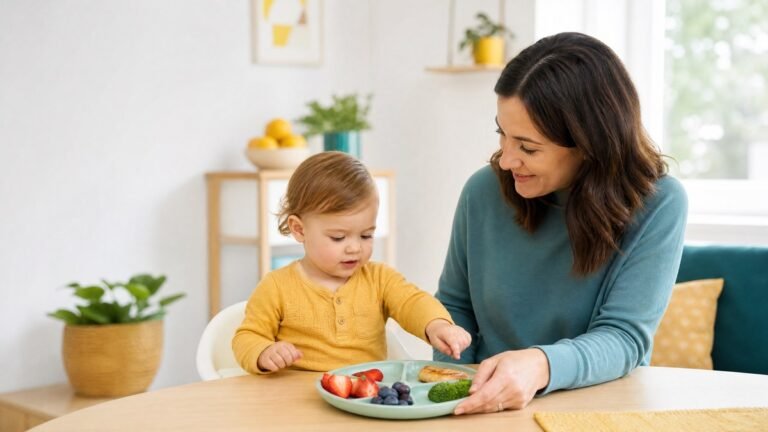
The adult decides what, when, and where food is offered. The child decides whether to eat and how much. This division reduces pressure and helps the child notice hunger and fullness.
What to serve when dinner is refused
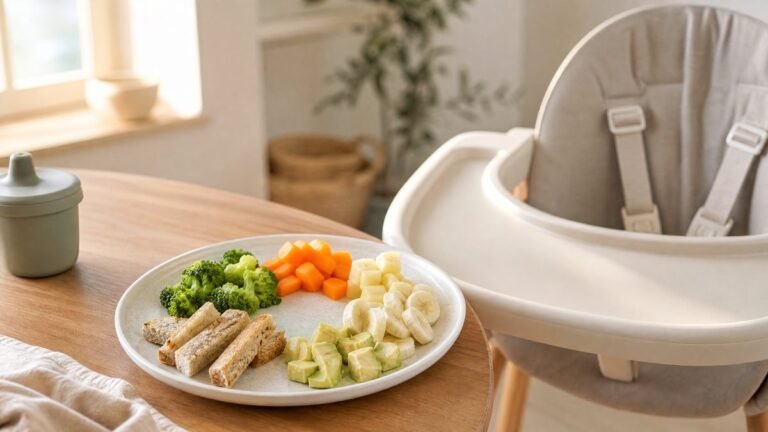
Include at least one food your child usually accepts. It can be small. Add another food the child is learning to eat. If the child refuses everything, stay neutral and end the meal without punishment. Offer the next planned eating opportunity.
Do not use dessert as a reward, force “one more bite,” or remove food to make a child wait while hungry. If you are concerned that dinner was very small, provide the next planned snack or ask the pediatrician how to adapt the routine.
Choose foods from several groups across the day: vegetables and fruit, grains, proteins, dairy or fortified alternatives, and healthy fats. Iron-rich options matter for young children; see iron-rich foods for babies for examples that can be adapted for age.
Consider timing and fatigue
Some children eat less when they are overtired. Try a slightly earlier dinner, fewer distractions, or a calm snack before a long gap. A change should fit your child’s routine, not a universal schedule.
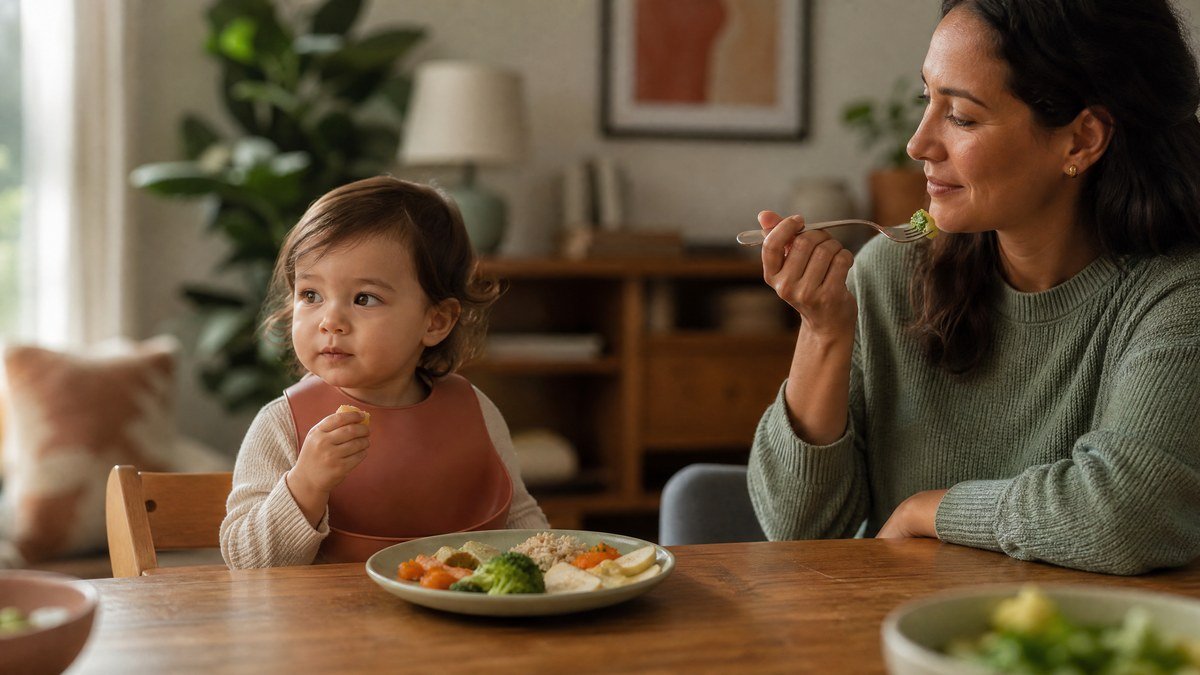
Eat together when possible. Model eating the food without asking your child to copy you. The CDC recommends repeated exposure, choices, modeling, and serving new foods with familiar foods. 1
Drinks and grazing
Water can be offered between meals. Milk is nutritious, but frequent milk drinking can reduce appetite for meals in some children. Juice is not needed; avoid sugary drinks. The right milk amount depends on age, growth, diet, and health history. Ask the pediatrician if milk is replacing food or if constipation is a concern.
When to call the pediatrician
Ask for help if dinner refusal is persistent or occurs with weight loss, a change in growth, pain, vomiting, diarrhea, repeated coughing or choking, very limited intake, fatigue, dehydration signs, or severe distress around food. A clinician may involve a dietitian or feeding therapist.
Seek urgent care for trouble breathing, blue or gray coloring, severe lethargy, signs of significant dehydration, blood in vomit or stool, or inability to keep fluids down.
FAQ
Should I make a separate dinner?
You can include one familiar food in the family meal. A separate replacement meal every time can make routines harder, but a child should not be punished with hunger.
What if my toddler asks for a snack right after dinner?
Check the routine, hunger, and illness. Offer the next planned snack when possible. If the child is regularly very hungry or not growing well, ask the pediatrician.
Is refusing dinner a sign of a disorder?
Not by itself. Food range, growth, swallowing, pain, distress, and nutritional adequacy matter more than a single behavior.
Related ChildBloom guides
Author and medical-review status
Dr. Ahmad Raza, MD, Pediatrics is the named ChildBloom pediatric author for this draft. Prepared for medical review by Dr. Ahmad Raza, MD, Pediatrics. Reviewed and approved by Dr. Ahmad Raza, MD, Pediatrics on August 23, 2026.
Last updated: August 22, 2026