Pregnancy Caffeine Limit: Safe Daily Guide
Wondering about the pregnancy caffeine limit? Most guidance suggests keeping caffeine near 200 mg per day. Here is what that means in plain, reassuring terms.
Wondering about the pregnancy caffeine limit? Most guidance suggests keeping caffeine near 200 mg per day. Here is what that means in plain, reassuring terms.
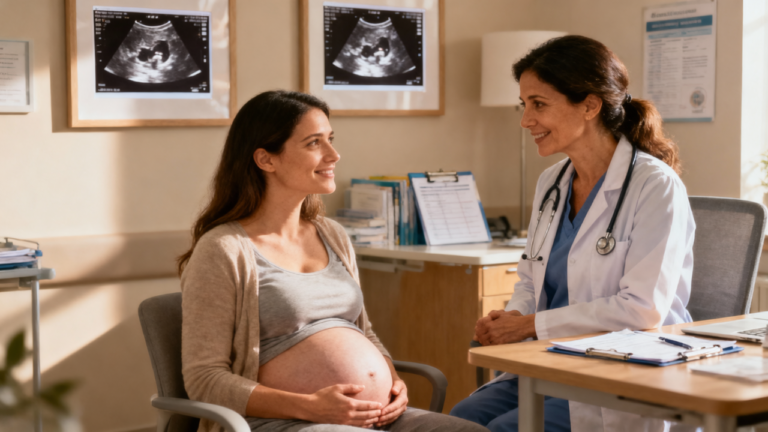
A comprehensive checklist of questions and clinical considerations for parents exploring vaginal birth after cesarean with their obstetric care team.
A practical, stage-by-stage guide for birth partners: what to actually do during early labor, active labor, transition, and pushing — plus how to advocate for your partner and take care of yourself along the way.

AAP recommends max 1 hour/day of high-quality screen time for 2-year-olds, with co-viewing. Learn age-based limits, screen-free alternatives, and evidence-based parenting tips from pediatricians.

A no-fluff hospital bag checklist built from L&D nurse recommendations. What to pack for labor, postpartum, your partner, and baby’s ride home — plus the popular items you can safely skip.

Prenatal vitamins are essential for your baby’s development. Learn about key nutrients, when to start taking them, and how to manage common side effects.

The third trimester is when fetal weight nearly triples and labor logistics get real. Here is an OB-reviewed week-by-week guide to the final 12+ weeks.

The second trimester is often the most comfortable stretch of pregnancy. Here’s an OB-reviewed, week-by-week guide to fetal growth, maternal changes, and decisions to make.

The first trimester brings incredible changes. From conception to the end of week 13, here’s what happens to your body and your developing baby.

A birth plan is not a contract with the hospital. It’s a communication tool that helps your care team understand your priorities. Here’s how to write one that works.
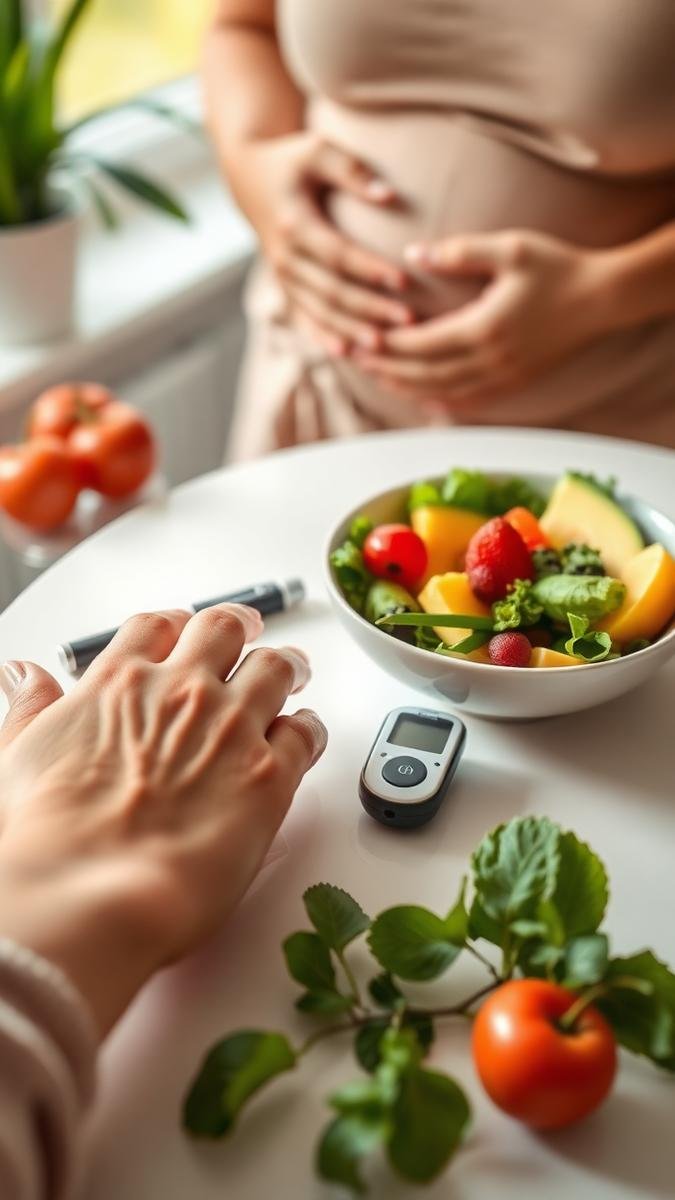
Gestational diabetes affects 2–10% of pregnancies. With proper monitoring and lifestyle changes, most women have healthy outcomes. Here’s what you need to know.

Up to 80% of pregnant women experience nausea. For most it peaks around weeks 6–9 and resolves by week 14. For some, it’s far more severe. Here’s the evidence-based playbook.
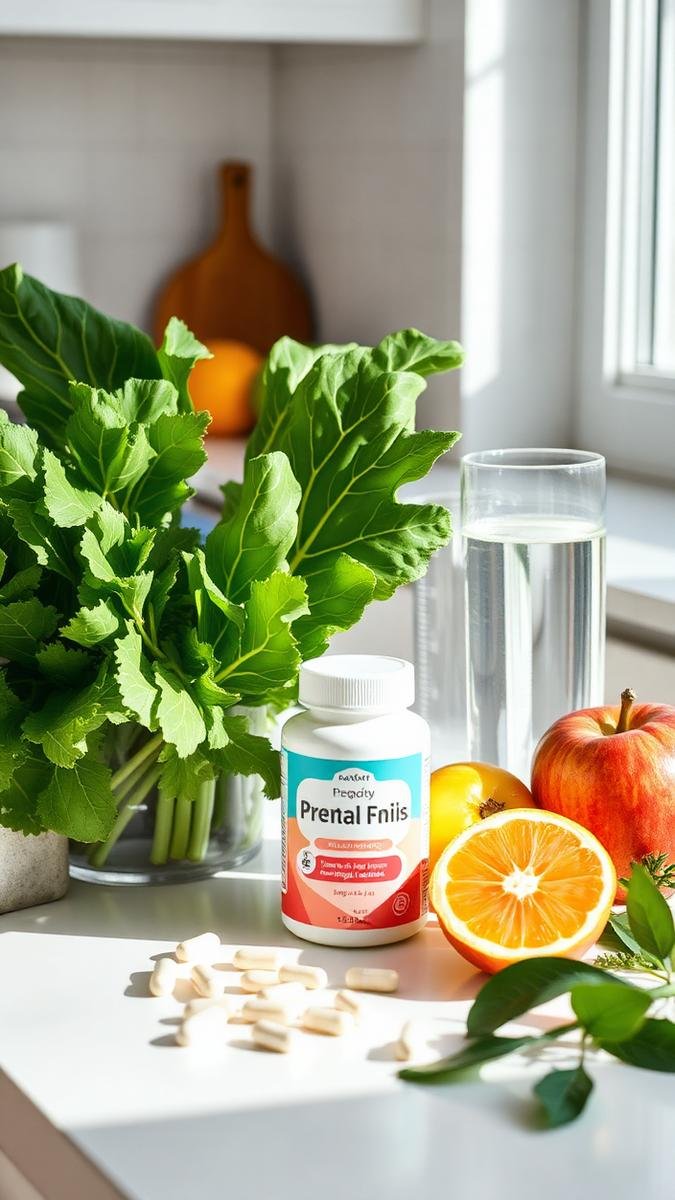
Most prenatal vitamin marketing is noise. Folate, iron, iodine, choline, and omega-3 DHA are the nutrients with the strongest evidence. Here is what to take, when, and how to eat around it.

Labor is four distinct stages with very different timelines and sensations. Knowing which stage you are in tells you whether to rest, call your provider, or head to the hospital.
We use cookies to improve your experience on our site. By using our site, you consent to cookies.
Manage your cookie preferences below:
Essential cookies enable basic functions and are necessary for the proper function of the website.
These cookies are needed for adding comments on this website.
Statistics cookies collect information anonymously. This information helps us understand how visitors use our website.
Google Analytics is a powerful tool that tracks and analyzes website traffic for informed marketing decisions.
Service URL: policies.google.com (opens in a new window)