Sleep and nursery gear, reviewed against AAP guidance
Bassinets, monitors, swaddles and sound machines — checked against the AAP safe-sleep standard by a board-certified pediatrician before anything is recommended.
Where most parents start
The sleep questions we are asked most, answered with current pediatric guidance.
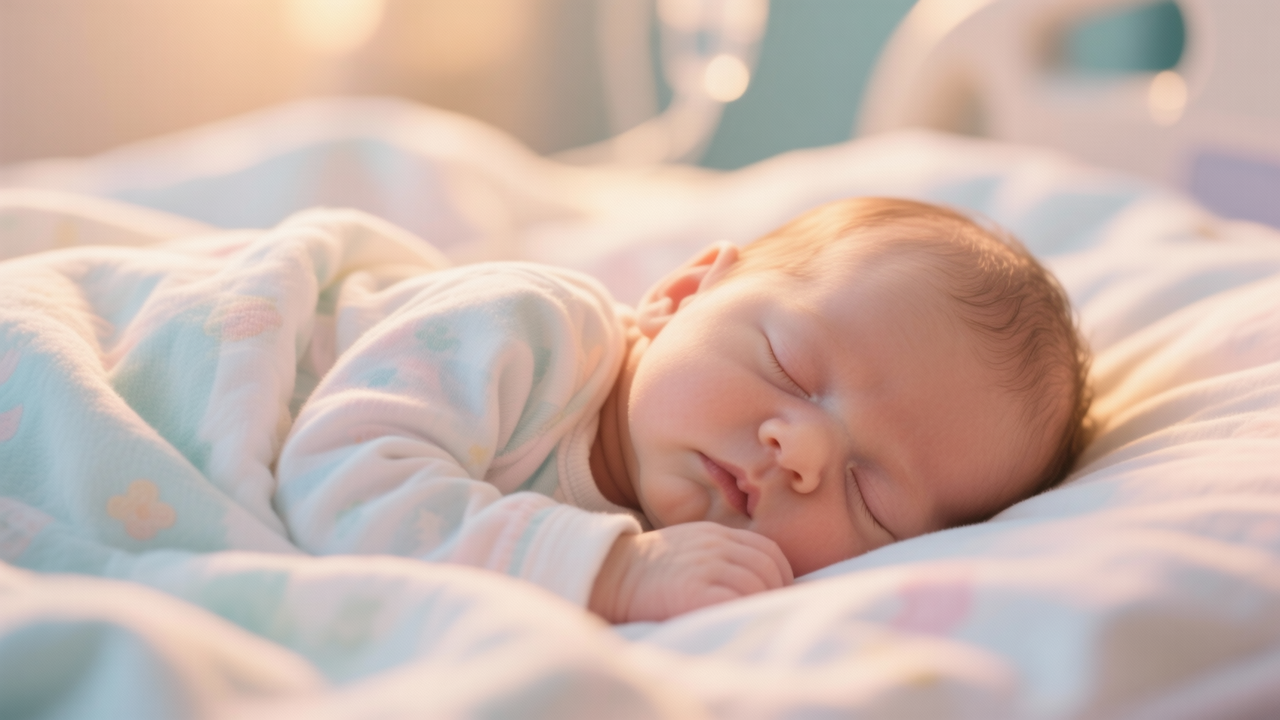
Newborn Sleep Problems: A Pediatrician’s Complete Guide to Baby Sleep (0-12 W…
A pediatrician’s evidence-based guide to newborn sleep problems from birth to 12 weeks. Learn what’s normal, what’s not…
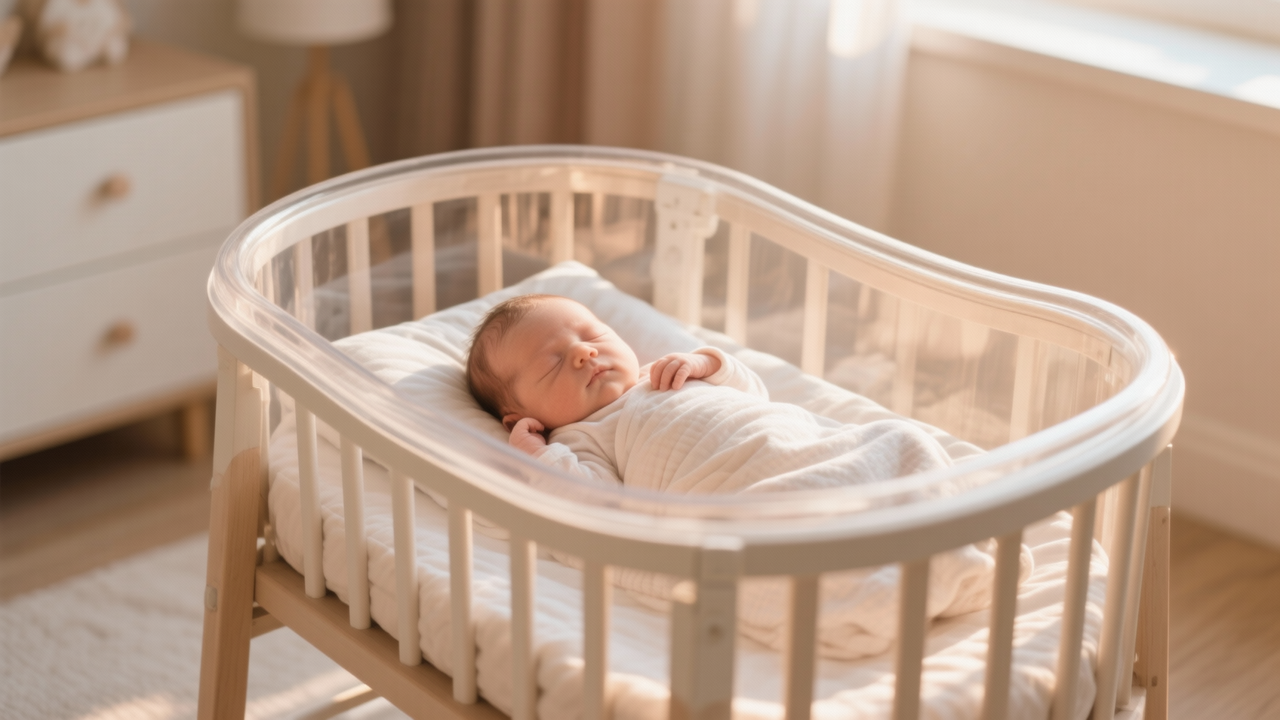
Newborn Won’t Sleep in Bassinet? 7 Fixes That Actually Work
Newborn won’t sleep in bassinet? You’re not alone. A pediatrician explains why this happens and 7 gentle, evidence-base…
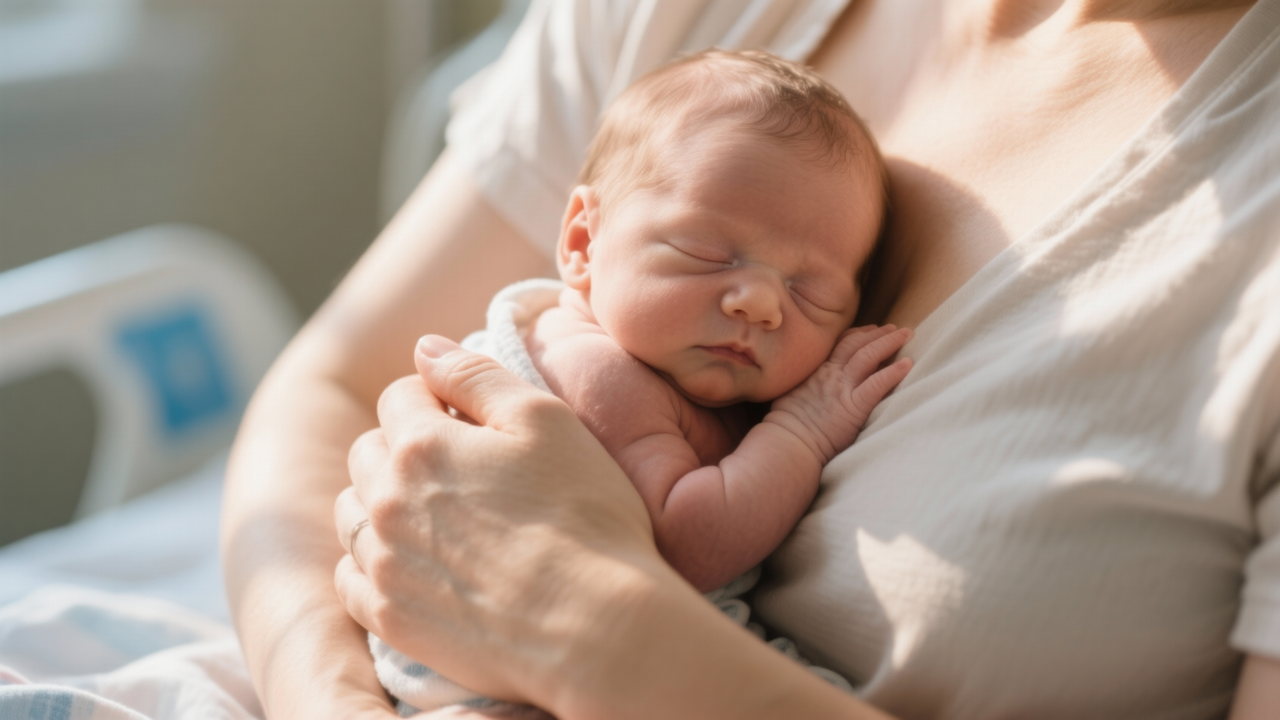
Newborn Only Sleeps When Held? 6 Fixes That Actually Work
Newborn only sleeps when held? A pediatrician explains why and gives you 6 practical, evidence-based strategies so you…
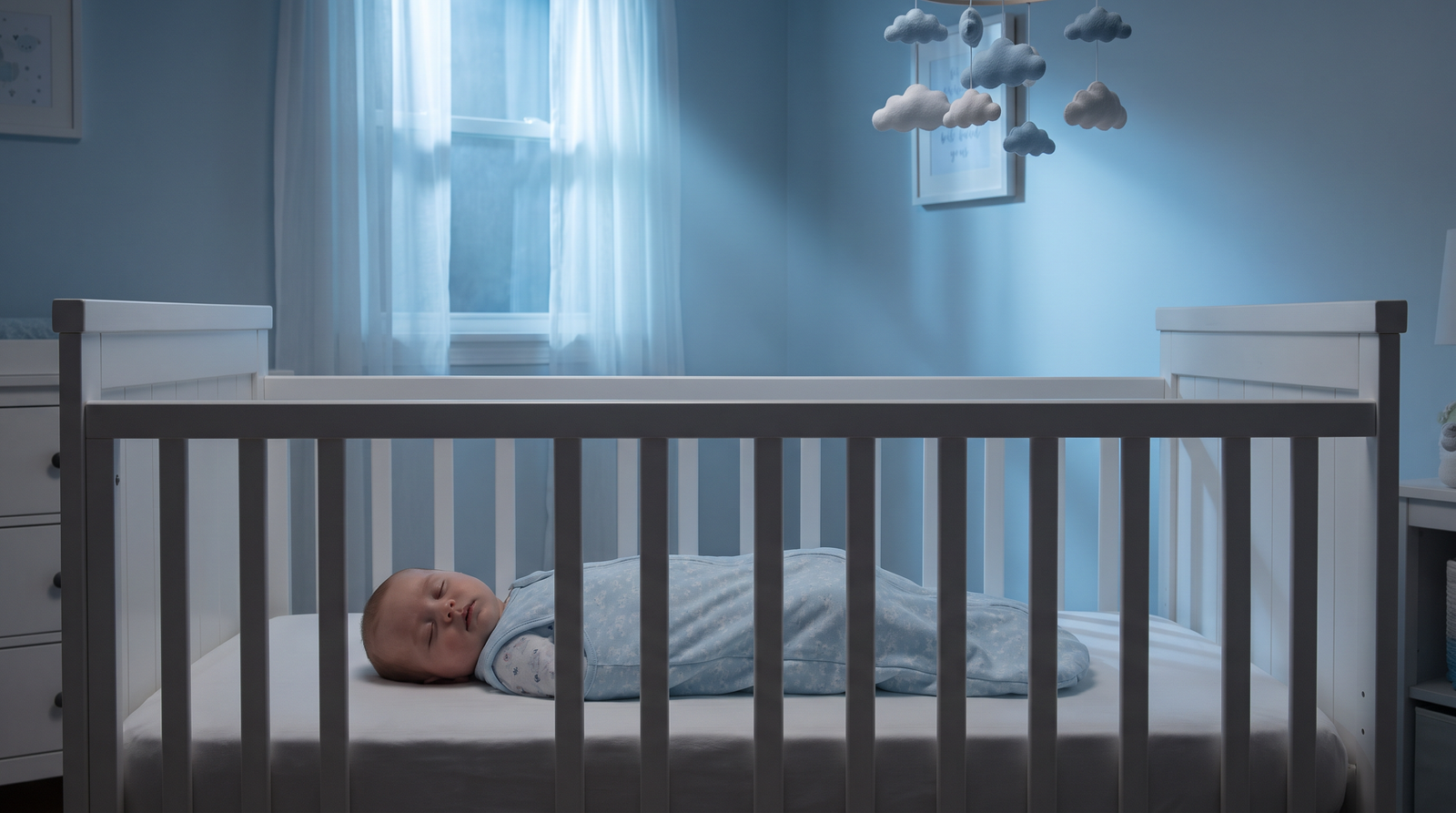
Baby Sleep Schedule by Age: Wake Windows Chart for Naps
Introduction One of the most common questions new parents ask is: how much sleep does my baby actually need, and when s…
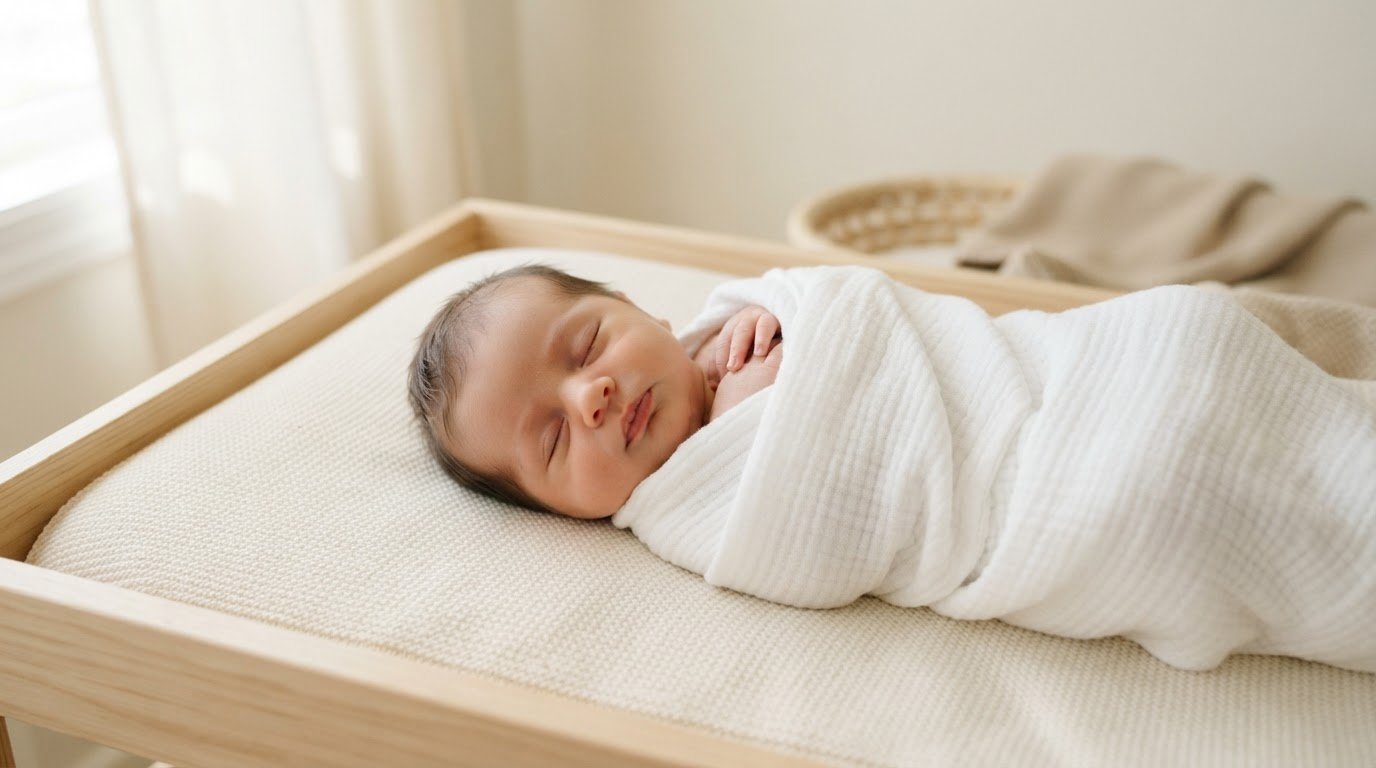
Baby Swaddling Techniques: 4 Safe Methods Pediatricians Recommend
Introduction Welcoming a newborn brings joy — and a lot of questions about sleep. One of the most effective ways to hel…
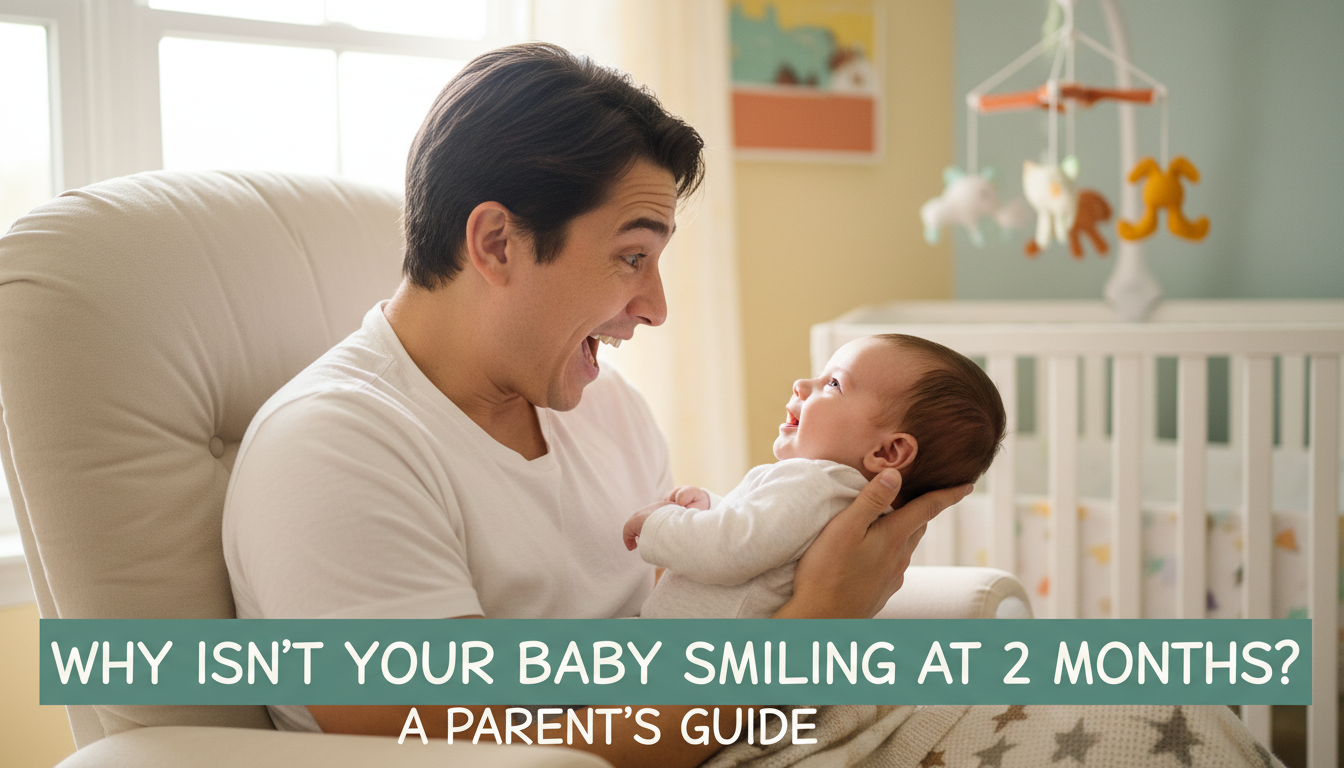
Baby Not Smiling at 2 Months: When to Worry and What to Look For (2026 Pediat…
Baby Not Smiling at 2 Months: When to Worry and What to Look For (2026 Pediatrician’s Guide) Medically reviewed: Dr. So…
The four decisions that shape a baby’s night
Safe sleep setup
Firm, flat, bare surface. We measure every crib and bassinet against AAP and CPSC requirements before it appears in a ranking.
Monitors and sensors
What a monitor can and cannot tell you — and why no wearable sensor replaces safe-sleep practice.
Swaddles and sleep sacks
Hip-healthy designs, correct TOG for room temperature, and the exact point to stop swaddling.
Room environment
Temperature, humidity and sound levels that support settling without masking cues you need to hear.
Who reviews this section
Sleep and nursery guidance is edited by our sleep-safety reviewer before publication.

Dr. Anderson, MD
PediatricsInfant sleep, nursery safety and safe-sleep standards.
Every guide in sleep carries a named pediatric reviewer and a dated sign-off, re-checked at least every six months. Read the ChildBloom promise.
What decides a place in a sleep ranking.
Compliance with the current AAP safe-sleep recommendation comes before every other factor.
Recall history and CPSC action are checked for each product and each model year.
Real overnight use — setup time, washability, and how it behaves at 3am — is weighed alongside the spec sheet.
Affiliate rates never move a product up a list. Unsafe products are excluded outright.
Sleep questions parents ask us most
Is a bassinet or a crib safer for a newborn?
Both are safe when they meet current CPSC standards and are used with a firm, flat, bare mattress. A bassinet is easier for room-sharing in the first months; a crib lasts longer. Safety comes from the sleep surface and the absence of soft bedding, not from the format.
When should I stop swaddling my baby?
Stop swaddling at the first sign your baby is trying to roll, usually somewhere between eight and twelve weeks. A rolled swaddled baby cannot free their arms to reposition. Transition to a sleeveless sleep sack at that point.
Do baby monitors with oxygen sensors prevent SIDS?
No consumer monitor has been shown to prevent SIDS, and none is approved as a medical device for that purpose. Use one for convenience if you want, but never as a substitute for a safe sleep surface and room-sharing.
What room temperature is best for baby sleep?
Most pediatricians recommend roughly 68–72°F (20–22°C). Dress your baby in one more light layer than you would wear yourself and check the back of the neck rather than hands or feet to judge warmth.
Ask our editorial team
If a guide looks out of date or you cannot find an answer for your child’s situation, tell us and a reviewer will look at it.
Contact ChildBloom